Last updated October 30, 2026
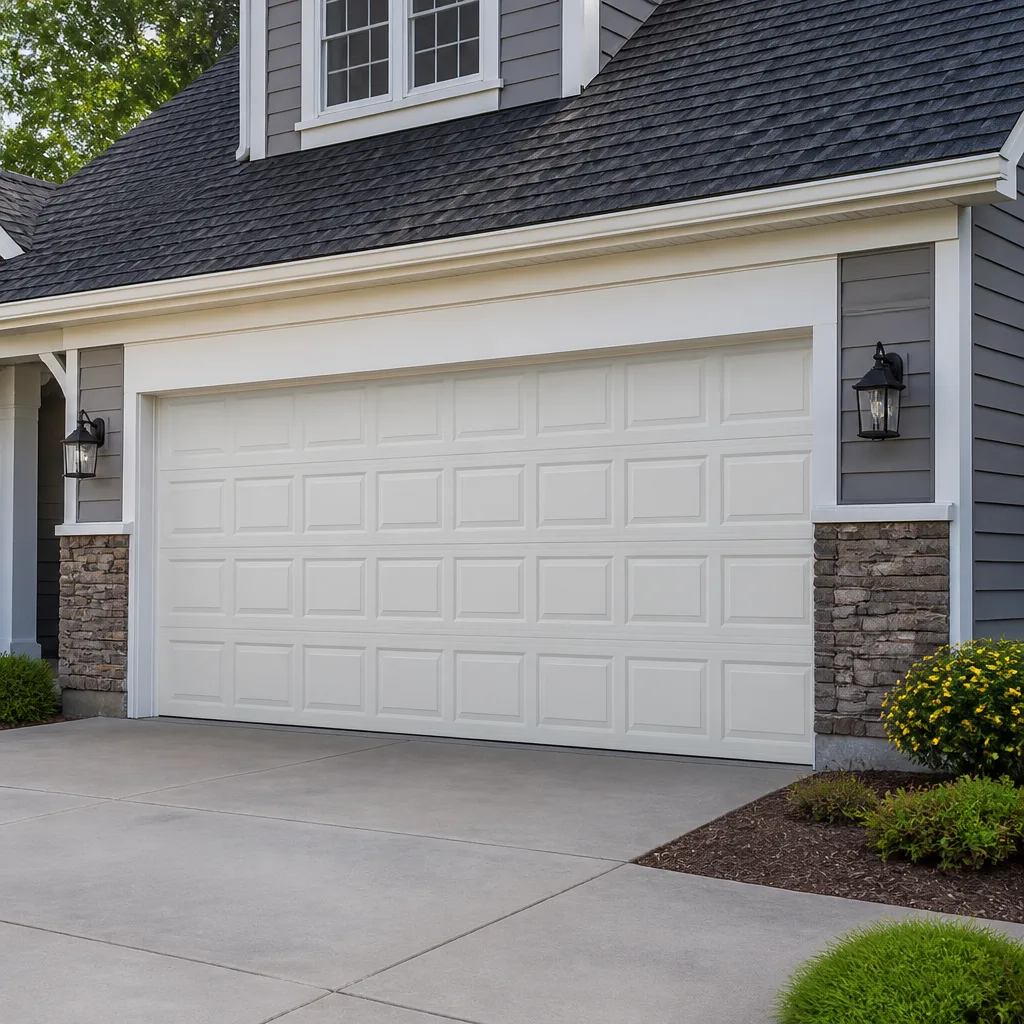 Raised-panel steel
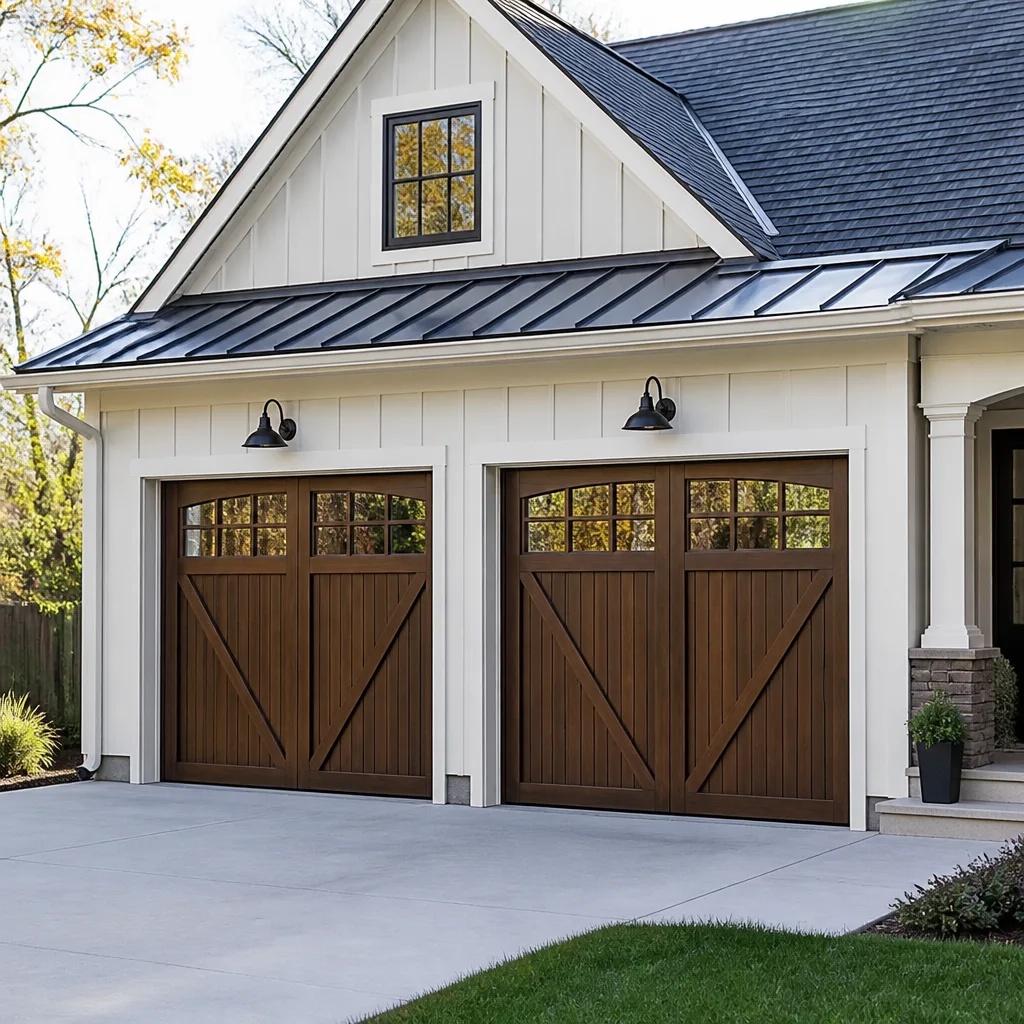 Carriage house
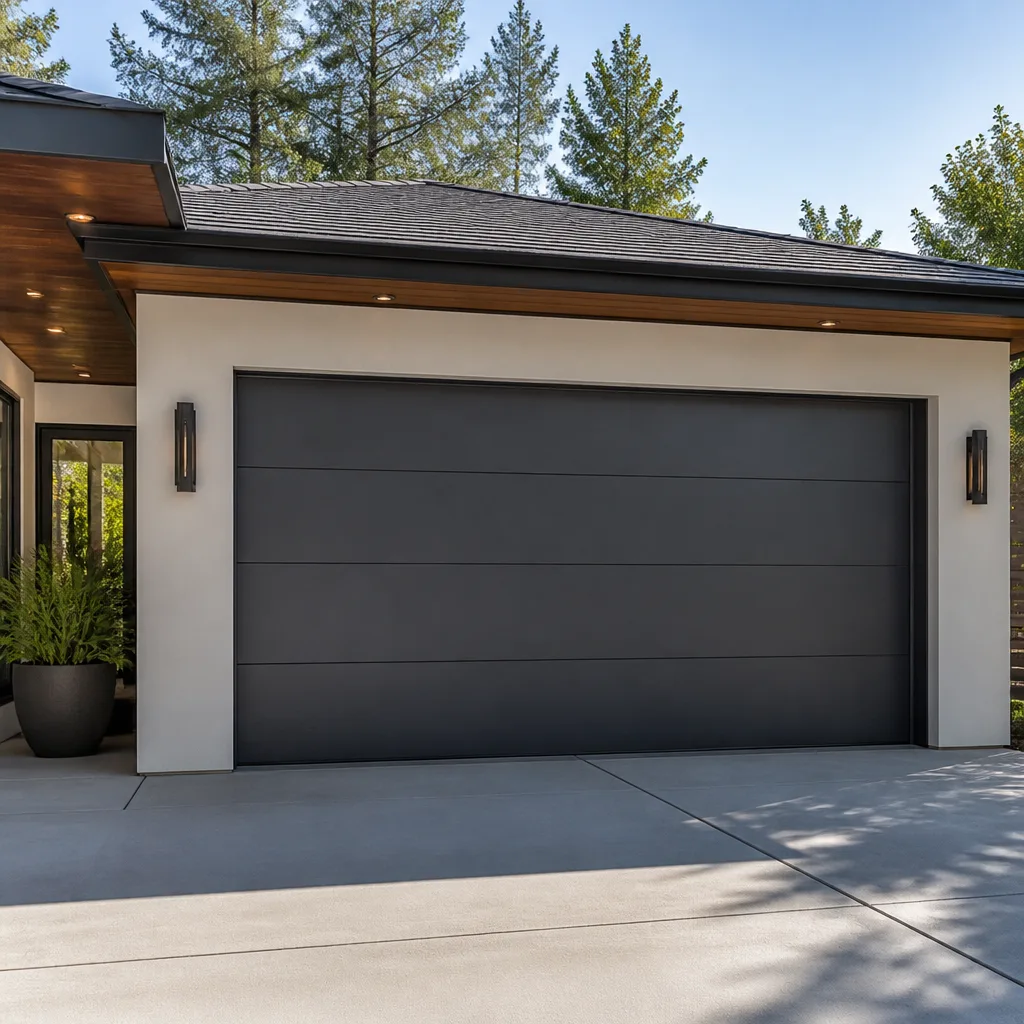 Modern flush
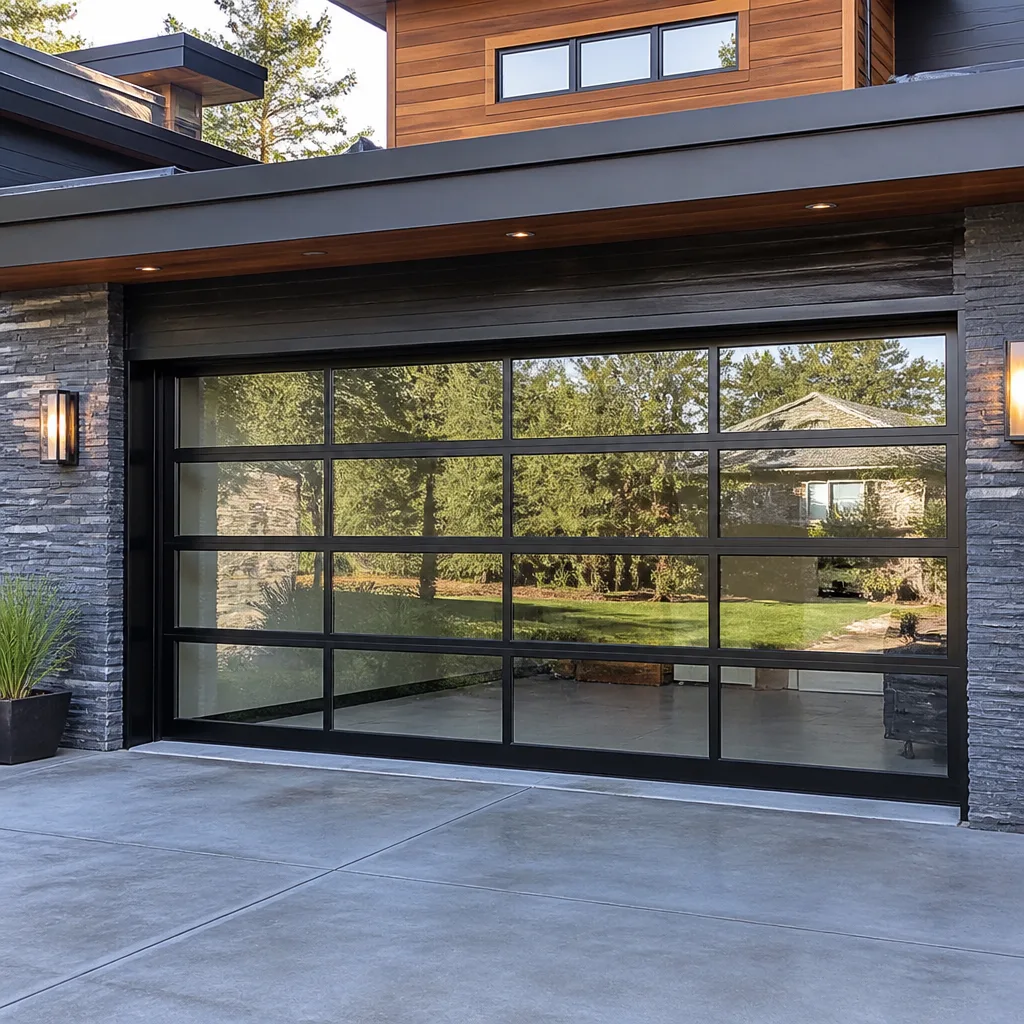 Full-view glass
 LiftMaster openers
 Chamberlain openers
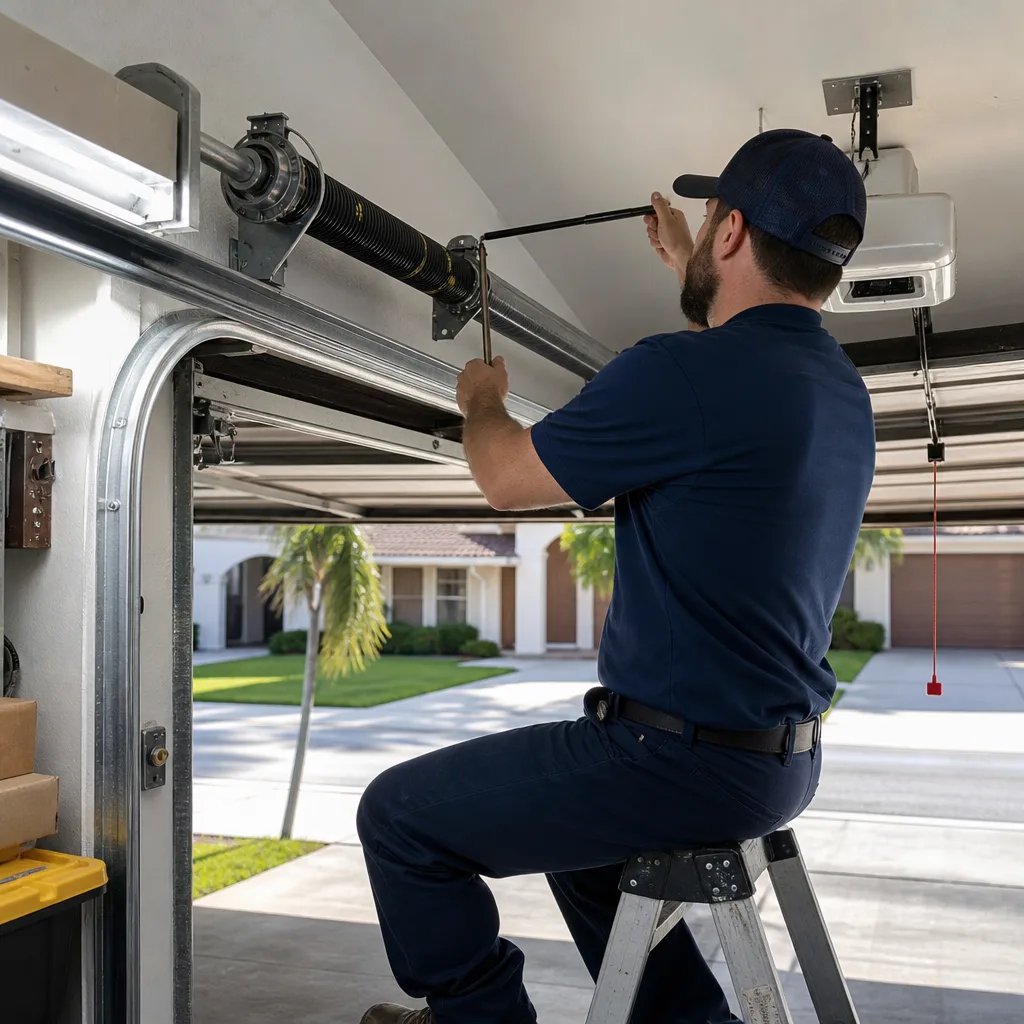
Full 25-point door and opener safety check with every visit - springs, cables, rollers, tracks, and your LiftMaster or Chamberlain opener included
You get a price before we start. It does not change when the truck arrives.
Get your free estimateGarage Door Permits, Codes & Inspections in FL: What You Need to Know
A garage door is the single largest moving object in your home, and in Florida it doubles as the first line of defense against hurricane-force winds. Yet in our experience working across Hollywood and central Broward County, we regularly meet homeowners who replaced a door years ago and never knew a permit was required. That one oversight can sit quietly on your property record until a buyer’s inspector finds it during resale, or worse, until an insurance adjuster cites it after storm damage. This guide explains when Florida and Broward County require permits, which code sections actually apply to your door, and what an inspector looks for, so you can make the decision with full information instead of finding out after the fact. For more guides & resources, visit our blog.
Quick Answer
In Broward County, a garage door replacement requires a building permit whenever the opening, framing, or wind-load rating changes, while a true like-for-like swap of the same door panel, track, and opener may be exempt depending on your municipality. The governing standard is Florida Building Code Section 1609, which sets wind-load requirements that most big-box doors do not meet. If you install without a permit and your door fails in a named storm, your insurer can cite unpermitted work as grounds for a claim denial.
Styles & brands we work with
Table of Contents
- When a Permit Is Legally Required in Broward County
- Florida Building Code Section 1609: What It Actually Means for Your Door
- NOA and FL Product Approvals: What Miami-Dade Approval Means in Broward
- The Like-for-Like Swap: When You Can Skip the Permit
- The Inspection Process: Step by Step
- What a Failed Inspection Looks Like
- How Unpermitted Work Shows Up on 4-Point Inspections and Disclosures
- Hollywood-Specific Notes: What We See in the Field
When a Permit Is Legally Required in Broward County
Broward County’s permitting rules are stricter than most of the state because the county sits in the High-Velocity Hurricane Zone, the same designation that applies to Miami-Dade. The county amended its local code to require a permit for any garage door installation that changes the structural opening, alters the header or jambs, replaces the door with a different size or weight, or upgrades from a non-wind-rated door to a wind-rated door. In plain terms: if the new door is not interchangeable with the old one down to its product approval number, you need a permit.
The threshold that matters most in Hollywood is not the door itself but the opening. If you are keeping the exact same opening dimensions, header, and track mounting points, you are usually in like-for-like territory. The moment you widen the opening, add a second door, convert a single to a double, or replace rotted wood jambs with new framing, the project becomes structural, and the permit is mandatory. We have had to correct this exact situation on several older Hollywood homes in the Lakes and Hollywood Hills areas, where original 1970s openings were not built to current wind-load standards and a simple door swap turned into a full opening rebuild once the inspector looked at the header.
Here is the rule of thumb we give homeowners: if the work involves any change to the frame, the opening, or the door’s rated size, pull the permit before the first bolt comes out. If it is purely swapping a sectional door panel for an identical sectional panel from the same manufacturer with the same product approval, you can proceed without one, but confirm with the city’s building department in writing first.
The Like-for-Like Swap: When You Can Skip the Permit
A like-for-like replacement means the new door is the same size, same weight, same track configuration, and carries the same or equivalent product approval as the old door. In Broward County, this generally falls under maintenance and repair provisions rather than new construction, so it does not trigger the permit requirement. But the word “like” is doing a lot of work here, and the county’s definition is narrower than most homeowners assume.
The easiest way to test whether your replacement qualifies: if you can find the product approval label from the old door and the new door carries an approval rating at or above it, and the opening and framing are untouched, you are likely exempt. If the old door has no label, or the label has faded, or the door predates Florida’s 2002 product approval system, you are in gray territory, and the safest path is to call the building department. In Hollywood, we have seen code officers treat an unlabeled original door as a non-permitted installation by default, which makes the replacement a code-compliance correction rather than a simple swap, and that does require a permit.
One more consideration: tilt-up one-piece doors. These are rare now but still exist in older central Hollywood homes. Replacing a tilt-up with a sectional door changes the balance point, the track system, and the wind-load characteristics of the opening entirely. That is not like-for-like, even if the dimensions are identical, and it will require a permit every time.
Florida Building Code Section 1609: What It Actually Means for Your Door
Florida Building Code Section 1609 governs wind loads on structures, and for garage doors the key provision is that any door installed in a wind-borne debris region must be tested and approved to withstand a specified design pressure, measured in pounds per square foot (psf). In Broward County, that design pressure for a standard two-car garage door typically falls between +/-45 and +/-70 psf depending on your exact location relative to the coast and the height and exposure of your house. Hollywood sits directly on the Atlantic coast, which pushes the requirement to the higher end of that range for most residential properties east of I-95.
What this means in product selection terms: a door that is advertised as “hurricane-rated” is not automatically code-compliant for your specific address. The door must carry a Notice of Acceptance (NOA) or Florida Product Approval that lists the exact design pressure it was tested to, and that number must equal or exceed what Section 1609 requires for your lot. A door tested to +/-50 psf will pass on a sheltered inland lot but may fail on an exposed street in eastern Hollywood, where the code calculation can exceed +/-60 psf for the same size door.
This is where we see the most confusion in the field. Homeowners read “wind-rated” on a product page and assume that is sufficient. The inspector will compare the approval number on the door to the wind-load calculation on the permit drawings, and if the door tests lower than the required design pressure, the inspection fails regardless of how well it was installed.
NOA and FL Product Approvals: What Miami-Dade Approval Means in Broward
Florida has two paths for garage door product approval: the statewide Florida Product Approval system administered by the Florida Building Commission, and the older Miami-Dade County Notice of Acceptance (NOA) system. Broward County accepts both, but the distinction matters because an NOA is generally the more stringent of the two. A door that carries a Miami-Dade NOA has been tested to the High-Velocity Hurricane Zone standard, which is the standard Broward uses, so a Miami-Dade approved door is almost always acceptable in Hollywood without additional review.
A Florida Product Approval, on the other hand, is issued for a specific design pressure range, and you must verify that the specific approval covers the wind speed and exposure category for your property. Some statewide approvals are for lower design pressures intended for inland regions and will not satisfy a Broward County field inspector even though they are valid approvals elsewhere in Florida. We routinely install doors from manufacturers like Clopay, Amarr, Wayne Dalton, and Raynor that carry both statewide FL approvals and Miami-Dade NOAs, precisely because the dual approval eliminates the risk of a mismatch between the door and the address.
If you are replacing a door in Hollywood and the contractor cannot produce the product approval document for the specific door model being installed, stop and ask for it. Any legitimate door intended for Broward County carries paper or digital copies of its NOA or FL approval, and the inspector will ask to see it. If the answer is “it’s rated for Florida,” that is not the same thing, and it will cost you a failed inspection.
The Inspection Process: Step by Step
Once a permit is pulled for a garage door installation in Broward County, the inspection process follows a defined sequence. Here is what it looks like from the homeowner’s perspective, based on what we handle regularly for Hollywood clients:
- Permit application and plan submission. The contractor or homeowner submits the permit application with the door’s product approval documents and a wind-load calculation for the specific address. The building department reviews it for code compliance before issuing the permit.
- Installation. The door is installed to the manufacturer’s specifications and the approved anchor schedule. This is the stage where shortcuts show up later if the right anchors are skipped.
- Scheduling the inspection. The contractor calls the inspection in after installation. In Hollywood, residential door inspections are typically scheduled within a few business days.
- The field inspection. An inspector visits the property and checks the installation against the filed plans. They verify the door’s product approval label, the jamb anchoring, the track attachment, and the header condition.
- Pass or fail. If the installation matches the approved plans and product approval, the inspector signs off and the permit is closed. If not, the inspector leaves a correction list, and the issues must be fixed and re-inspected.
The single most common trigger for a re-inspection in our world is the anchor schedule. The manufacturer’s wind-load testing assumes a specific number and type of anchors at specific spacing, and if the installer used fewer anchors or a different fastener because it was faster, the installation no longer matches the tested assembly. The inspector will check this, and the repair means pulling and re-setting anchors, which doubles the labor.
What a Failed Inspection Looks Like
Failed inspections in Broward County fall into predictable categories, and knowing them in advance will save you from being the person standing in the driveway while the inspector shakes their head. The most frequent failure we see is the missing or mismatched product approval label. The label is the proof that the door on your house is the door that was tested, and without it, the inspector cannot verify the wind-load rating. On older Hollywood homes, these labels are painted over, faded beyond legibility, or gone entirely.
The second most common failure is anchoring that does not match the tested assembly. This includes too few fasteners into the jambs, the wrong fastener type (deck screws instead of specified lag bolts, for example), or track brackets secured to brittle concrete block without the required anchors. Block construction is common across Hollywood, and an installer who is used to wood-frame walls will sometimes anchor a track to CMU block incorrectly, which the inspector will flag immediately.
A third category is the header gap. Florida wind-load standards require the door opening to be strong enough to resist both positive and negative pressure, and if the header shows signs of sag, rot, or a gap between the frame and the structure, the inspector will not pass the door until the header is repaired. This turns a simple door replacement into a structural repair, which is exactly why a like-for-like swap sometimes spirals into a permitted project halfway through.
How Unpermitted Work Shows Up on 4-Point Inspections and Disclosures
This is the part most homeowners do not connect until it is too late. Florida insurers routinely require a 4-point inspection before writing or renewing a policy on a home older than a certain age, and a 4-point inspection covers four systems: roof, electrical, plumbing, and HVAC. The garage door itself is not one of the four points, but the inspection report does flag visible unpermitted work, and many insurance underwriters will act on that flag. If an inspector notes a newer garage door with no permit record and no product approval label, the underwriter can condition the policy on correction or decline it outright.
Then there is the resale scenario. Broward County property disclosures ask sellers to identify any work done without permits, and once the door is in the permit record, failing to disclose it becomes a liability that survives closing. Buyers’ home inspectors in Hollywood, Fort Lauderdale, and Davie are trained to look for exactly this: a newer door on an older house with no permit history. The buyer then asks for the permit to be pulled retroactively, which in Broward County means a full inspection of the existing installation against current code, and retroactive approval is not guaranteed.
We have been called in after failed retroactive inspections more than once in the Driftwood and Emerald Hills neighborhoods, and the correction cost is always higher than the original permit would have been. Pulling the permit up front is the inexpensive version of this process.
Hollywood-Specific Notes: What We See in the Field
Hollywood’s housing stock spans several distinct eras, and each era has its own garage door code profile. The post-war concrete-block homes in the Royal Poinciana and Beverly Park neighborhoods tend to have non-wind-rated original doors that have been replaced at least once since the 1990s, often with a door that met the code at the time but would not meet today’s Section 1609 requirements. The newer subdivisions in West Lake and the developments along Sheridan Street generally have doors that were permitted and labeled from day one, which makes a future like-for-like replacement straightforward.
The biggest code variable in Hollywood is your wind speed zone. Hollywood’s proximity to the ocean means that homes east of Federal Highway sit in an exposure category with higher design pressure requirements than homes west of US-441, and the difference is enough to change which door models are acceptable on a given lot. A Raynor or Clopay model that passes on a west Hollywood lot may need a heavier gauge track or additional stiffening on a beachside property. This is one of the reasons we treat the product approval check as a non-negotiable part of every Hollywood quote: the right door for your neighbor’s house is not necessarily the right door for yours.
We also see a local pattern with the city of Hollywood’s building department: the city is proactive about tracking unpermitted door replacements when they are visible from the street, and code enforcement letters do go out. A new door on a house with no permit record in city files is a magnet for a letter, especially when it is a different color or style than what was there before. The cost of retroactive compliance after that letter is almost always higher than the cost of doing it right the first time.
Common Mistakes to Avoid
- Skipping the permit on a “simple” replacement that is not actually like-for-like. If the track, opening, or door weight changes at all, you are in permit territory, and the city’s record of your old door will not match the new one.
- Buying a door based on a “hurricane-rated” label alone. The label means the door passed some wind test somewhere; it does not mean the door meets your specific Section 1609 design pressure for your exact lot in Hollywood.
- Letting an installer skip the anchor schedule to save time. The manufacturer tests a specific fastener pattern, and when anchors are skipped or substituted, the door no longer performs as tested, and the inspector will catch it.
- Painting over or removing the product approval label. That label is the inspector’s evidence of compliance. Once it is gone or illegible, the door becomes unverifiable, and the inspection fails.
- Assuming an FL Product Approval is automatically sufficient in Broward. Some statewide approvals are calculated for inland wind zones and do not meet Broward’s High-Velocity Hurricane Zone standard. Confirm the design pressure on the approval document before you buy.
- Not pulling the permit because “I’m selling the house anyway.” Broward buyers’ inspectors flag fresh doors without permit history, and the deal can stall or reprice over a permit that would have cost a few hundred dollars.
- Replacing a single panel on a wind-rated door with a non-rated panel. The door is only as strong as its weakest tested component, and mixing an unapproved panel into an approved assembly voids the product approval.
See the difference
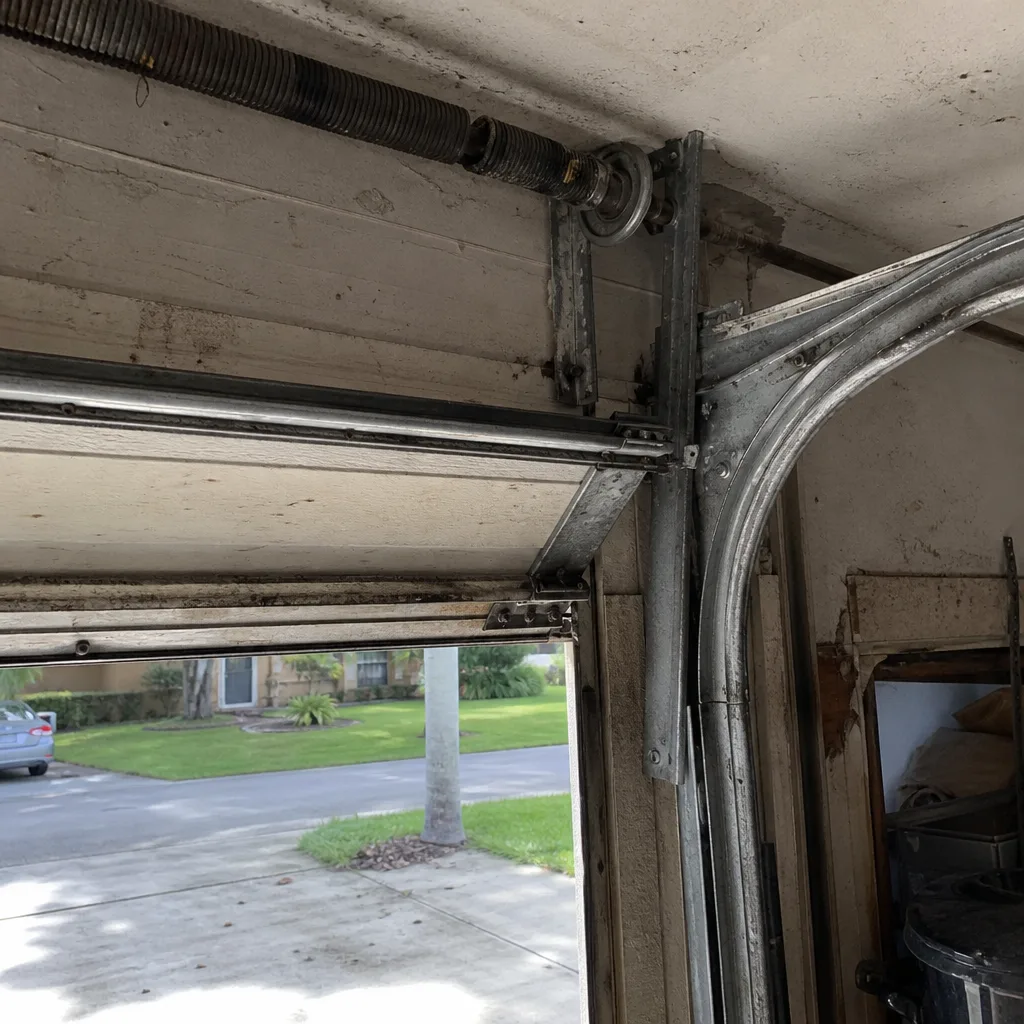 Before
 After
 Before
 After
 Before
 After
When to Call a Professional
You need a professional when the job involves any change to the opening or framing, when the existing door has no legible product approval label, when you are upgrading from a non-rated door to a wind-rated one, or when the permit drawings call for a design pressure you cannot easily verify yourself. You also need a professional when the correction list from a failed inspection involves structural header work or re-anchoring into concrete block, which requires tools and experience beyond the average homeowner’s toolkit. We have corrected enough under-anchored Hollywood installations to know that a block wall done wrong looks fine until the inspector or the storm proves otherwise. Staying on top of maintenance helps avoid these problems—see our Garage Door Repair Maintenance Checklist for Hollywood Homeowners for a practical schedule.
Benchmark Garage Door Repair offers free estimates in Hollywood for permitted replacements, code corrections, and like-for-like swaps. We service doors from Raynor, Clopay, Amarr, Wayne Dalton, and other major manufacturers, and we handle the product approval verification and permit paperwork so the door passes inspection the first time. Call (833) 589-8332 for an estimate on your project. For broader context on our service areas, visit our Benchmark Garage Door Repair home page or read about our Garage Door Installation in Hollywood work.
Frequently Asked Questions
Yes, you need a permit in Broward County if the replacement changes the opening size, framing, track configuration, or wind-load rating of the door. A true like-for-like swap with identical dimensions and an equivalent product approval may be exempt, but confirm with the city of Hollywood before starting, because the county’s definition of “like” is narrower than most homeowners expect.
In Hollywood, the design pressure requirement for a standard two-car garage door typically falls between +/-45 and +/-70 psf depending on your distance from the coast and your property’s exposure category. Homes east of Federal Highway are generally held to the higher end, and the door you install must carry a Florida Product Approval or NOA listing a design pressure at or above the calculated requirement for your specific lot.
An NOA, or Notice of Acceptance, is Miami-Dade County’s wind-load product approval, and because Broward sits in the same High-Velocity Hurricane Zone, NOA-approved doors are almost always acceptable in Hollywood. A Broward inspector will accept either an NOA or a Florida Product Approval that lists a sufficient design pressure for your address, but the NOA is the more direct path to approval.
You can, but the unpermitted door will likely appear on the buyer’s inspection report and on the property disclosure if you answer honestly, and Broward buyers regularly ask for retroactive permits before closing. Retroactive permit approval requires the installation to meet current code, which is not guaranteed, and the correction cost is often higher than the original permit would have been.
Garage door permit fees in Hollywood are based on the valuation of the work and the review type, so the cost varies by project, and the best way to get an exact number is to call the city’s building department or have your installer include the permit in the quote. Most garage door replacement permits in central Broward are a few hundred dollars or less for straightforward jobs, including the plan review.
If your door fails inspection, the inspector leaves a correction list identifying the specific issues, and those issues must be fixed before a re-inspection is scheduled. The most common failures in Hollywood are missing or illegible product approval labels, under-spec anchoring, and header damage, and each requires a different correction path. Call (833) 589-8332 if you are facing a correction list and want a second set of eyes on it, because the fix is often simpler than the inspector’s shorthand suggests.
The Bottom Line
Florida and Broward County treat a garage door as a structural component subject to wind-load verification, not a cosmetic upgrade, and the permitting rules reflect that. The difference between a permitted and an unpermitted door shows up in insurance underwriting, resale disclosures, and storm damage claims. A like-for-like swap may be exempt, but the majority of real-world replacements in Hollywood are not, and the product approval on the door is the piece that determines whether you pass inspection. Pull the permit, verify the approval, and keep the label. That is the whole game. For repairs, replacements, and code corrections across greater Hollywood and central Broward, contact Benchmark Garage Door Repair at (833) 589-8332. If your opener is part of the project, our Garage Door Opener Repair in Hollywood page covers that side of the work, and our Garage Door Repair in Hollywood page details the full repair scope.
Written by the team at Benchmark Garage Door Repair, serving Hollywood since 2011.