Last updated October 30, 2026
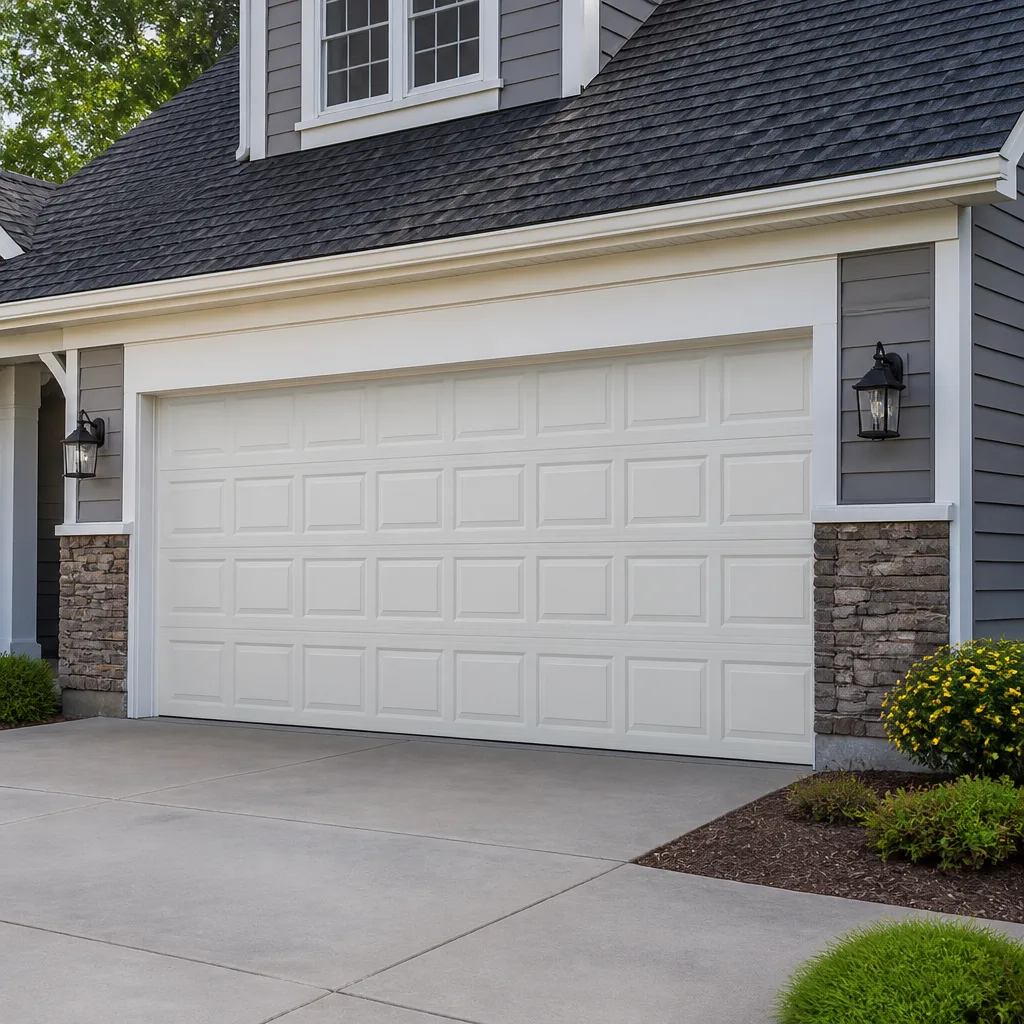 Raised-panel steel
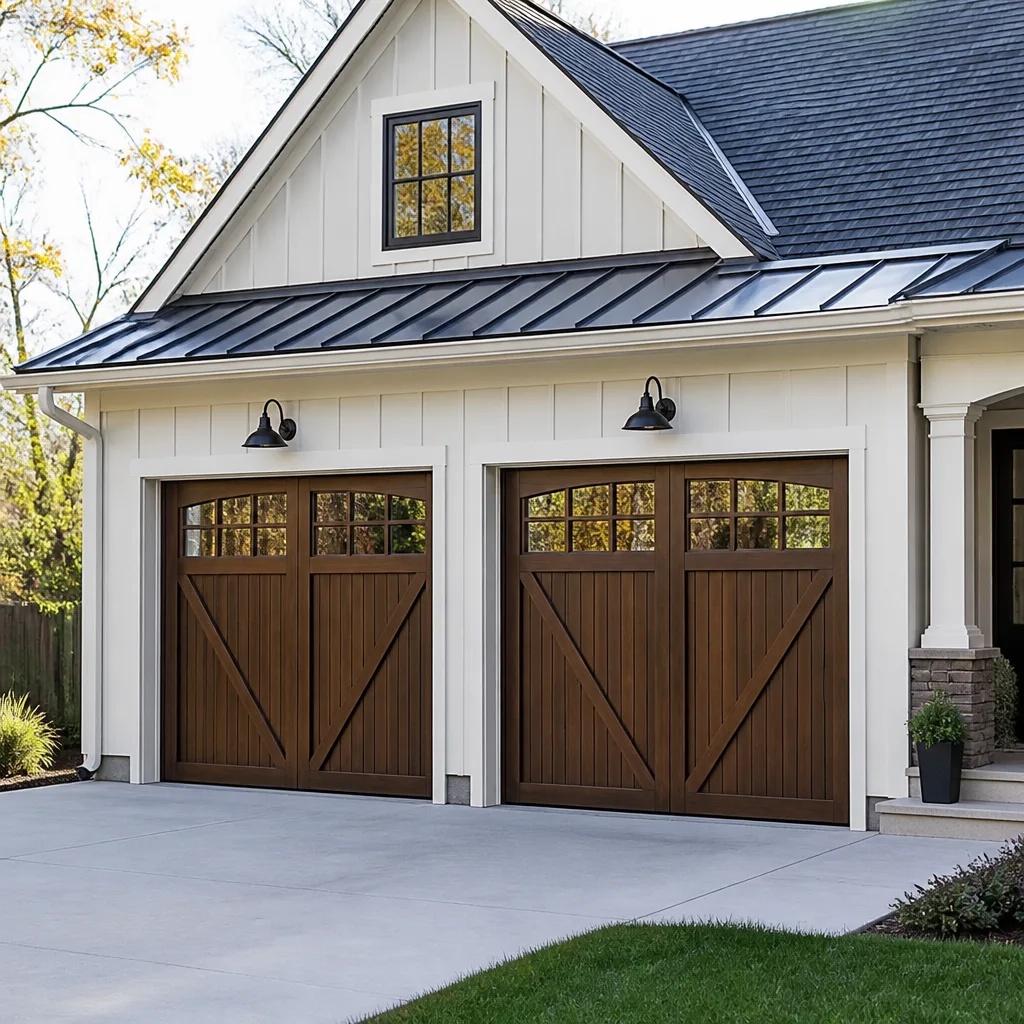 Carriage house
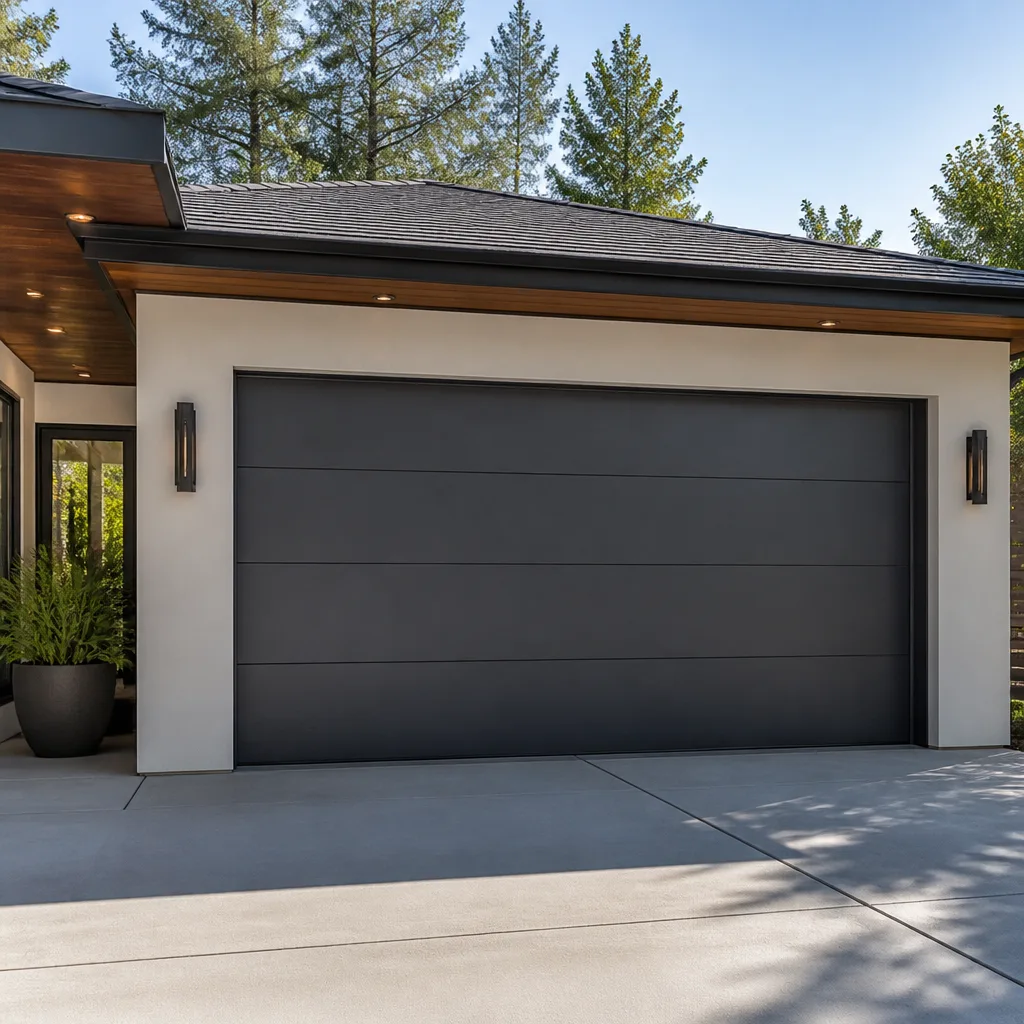 Modern flush
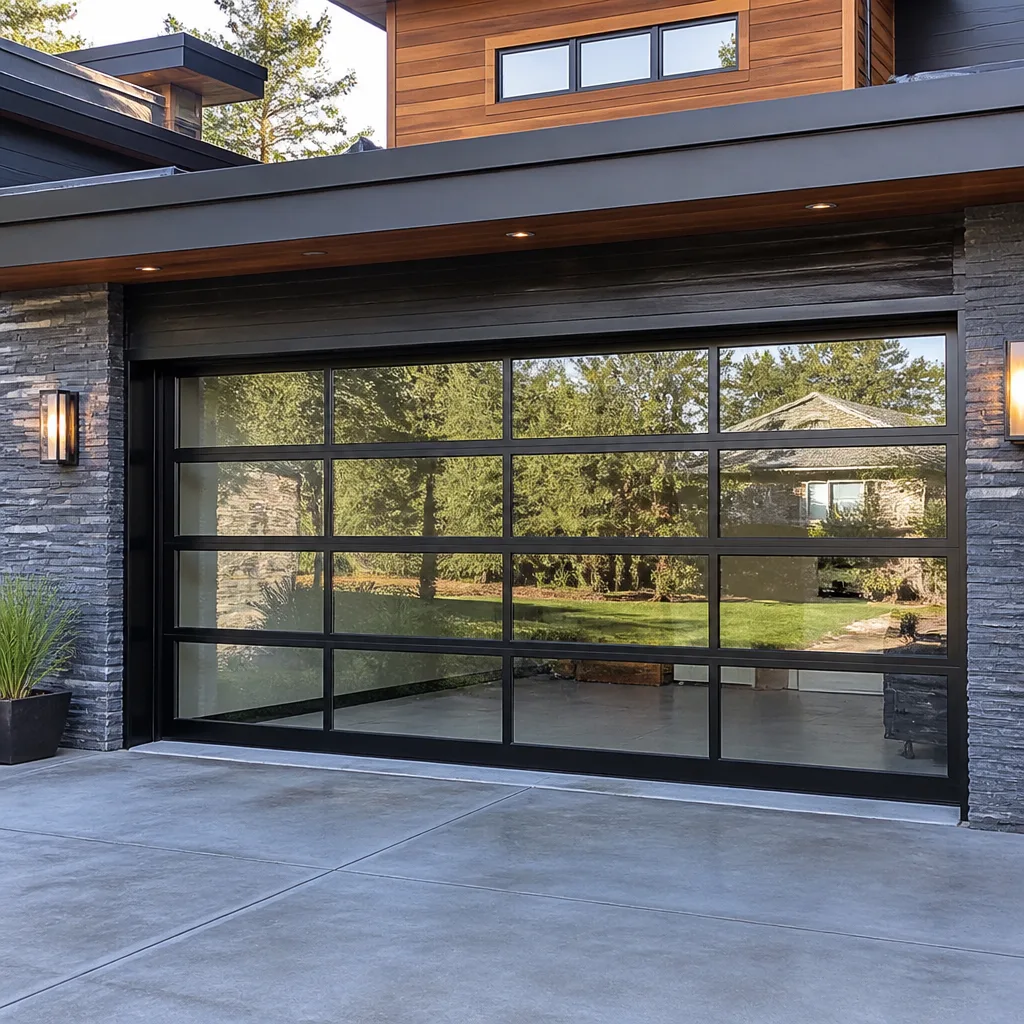 Full-view glass
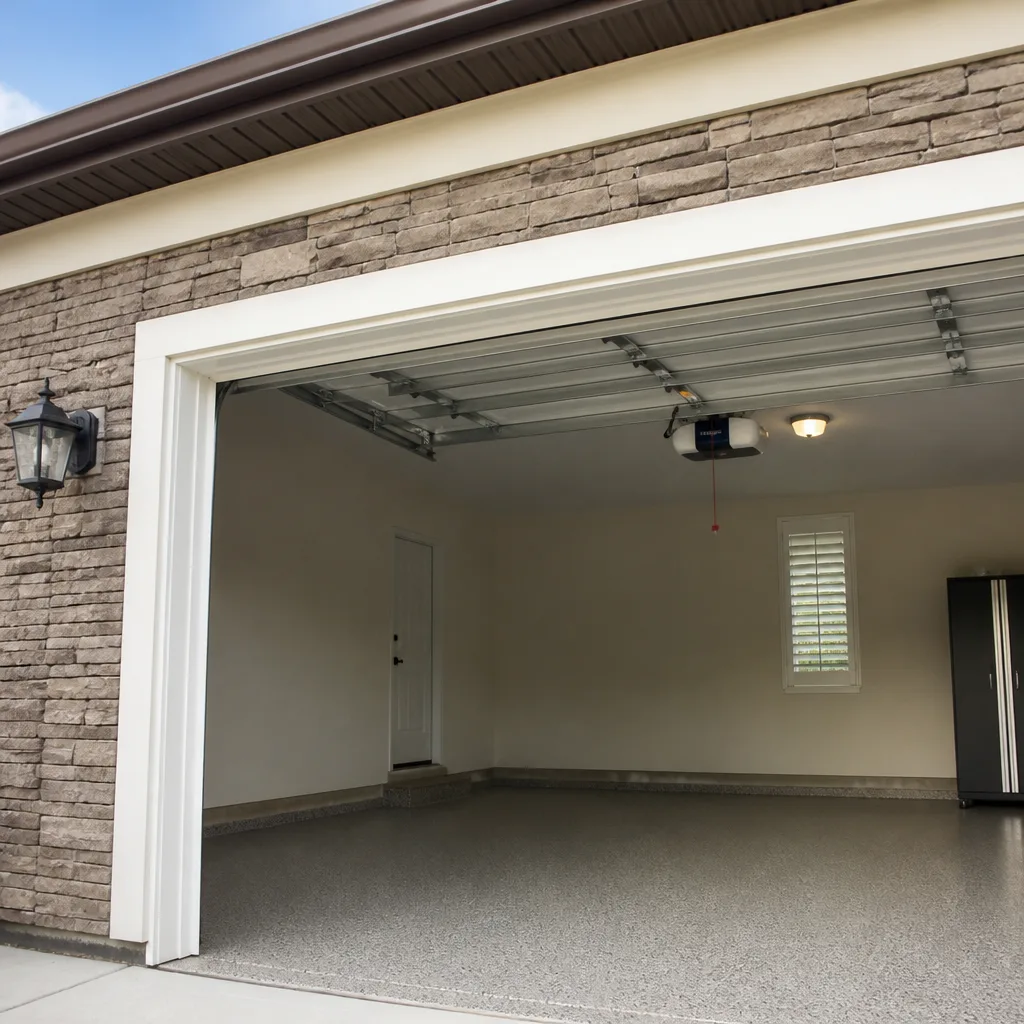 LiftMaster openers
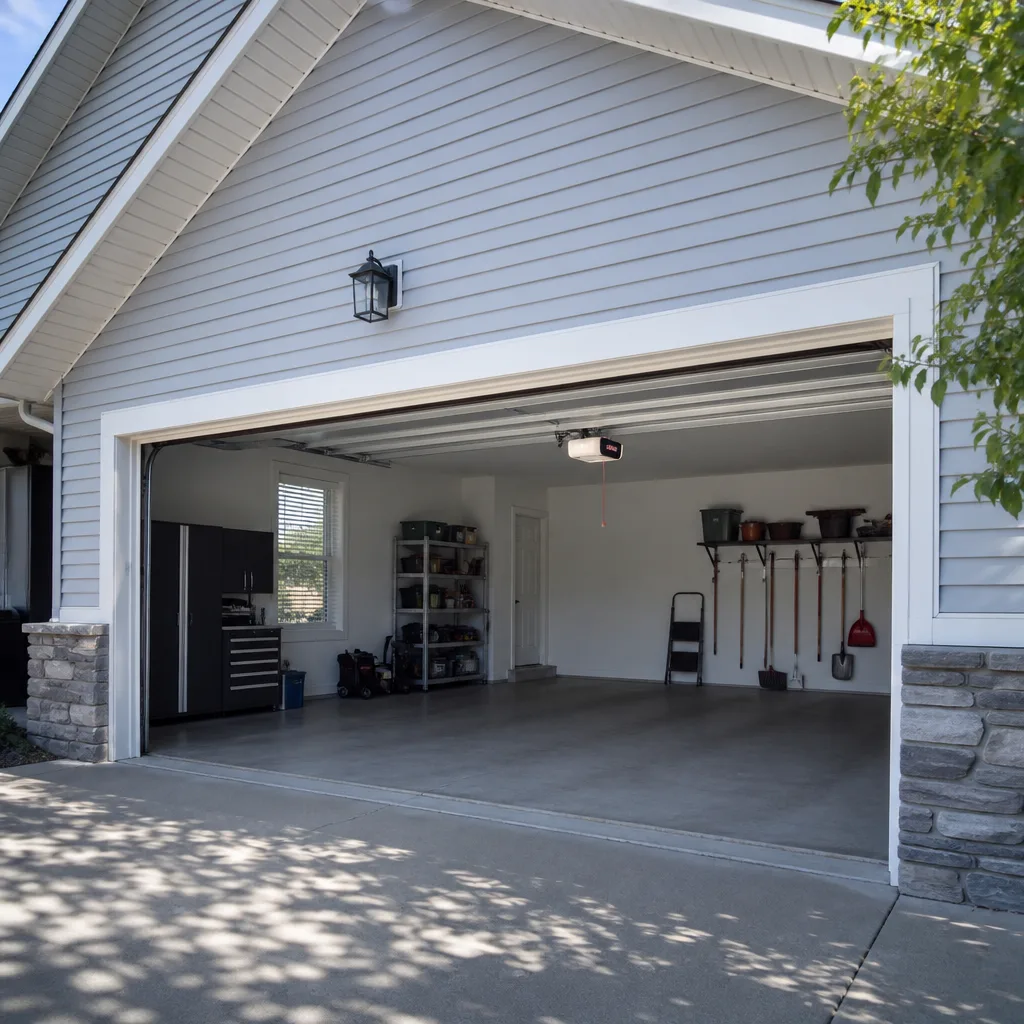 Chamberlain openers
Full 25-point door and opener safety check with every visit - springs, cables, rollers, tracks, and your LiftMaster or Chamberlain opener included
You get a price before we start. It does not change when the truck arrives.
Get your free estimateThe Complete Guide to Garage Door in Hollywood
Most garage door guides you’ll find online were written for Denver or Dallas. They assume dry air, mild wind, and a subdivision where nobody cares what color your door is. Hollywood, FL sits in a salt-air, hurricane-zone, HOA-governed environment that invalidates half of the generic advice out there. A door that performs beautifully in Plano will struggle within three blocks of the Intracoastal. This guide covers what actually matters for garage doors in Hollywood: corrosion resistance, wind-load ratings that satisfy Broward County code, material choices that survive relentless UV exposure, and the approval hoops your HOA will almost certainly put you through. By the end, you’ll know exactly what to buy, what to avoid, and when to call someone who works on this specific equipment every day—or browse our more guides & resources for related home maintenance topics.
Styles & brands we work with
Quick Answer
A garage door in Hollywood, FL needs to solve three problems at once: it must resist salt-air corrosion if you live within a few miles of the coast, it must meet Florida Building Code wind-load requirements for Broward County, and it usually needs to pass HOA architectural review before installation. Most Hollywood homeowners are best served by a galvanized steel door with a hurricane-rated reinforcement system, installed by a technician who understands local code rather than a generalist handyman.
Table of Contents
- How Hollywood’s Climate Attacks Your Garage Door
- Florida Building Code Requirements in Broward County
- Navigating HOA Approval in Hollywood Communities
- Garage Door Materials: What Actually Survives in Hollywood
- Hurricane Impact Ratings vs. Miami-Dade NOA Approval
- Choosing a Garage Door Opener for South Florida
- A Maintenance Schedule Calibrated to Hollywood’s Salt Air
- Common Mistakes to Avoid
- When to Call a Professional
- Frequently Asked Questions
- The Bottom Line
How Hollywood’s Climate Attacks Your Garage Door
Hollywood sits on a barrier between the Everglades and the Atlantic. That geography creates a microclimate that accelerates wear on every metal component of a garage door system. Homes west of 95 deal primarily with humidity and afternoon thunderstorms. Homes east of Federal Highway, within a mile or two of the ocean, deal with airborne salt that settles on springs, cables, hinges, and tracks every single day.
Salt-air corrosion is the leading cause of premature garage door hardware failure in coastal Hollywood neighborhoods like Hollywood Lakes, North Beach, and the streets around South Lake. We’ve pulled torsion springs off doors in Hollywood Lakes that looked like they’d been sitting in seawater for a decade, when the door itself was only four years old. The issue isn’t just cosmetic rust. Corroded springs lose tensile strength. Corroded cables snap under load. Corroded tracks bind rollers and strain the opener motor until it burns out.
Here’s what Hollywood homeowners should know about salt-air exposure:
- Galvanized springs last roughly half as long within two miles of salt water as they do inland, unless they’re upgraded to oil-tempered or powder-coated variants.
- Galvanized tracks resist corrosion better than standard steel, but even galvanized tracks need annual cleaning within a mile of the ocean.
- Nylon rollers are not optional near the coast. Steel rollers will seize within a few years, while nylon rollers with sealed bearings handle salt air far better.
- Aluminum doors cost more upfront but often outlast steel near salt water because aluminum oxide forms a protective layer. Powder-coated steel is a solid compromise.
Humidity does its own damage even without salt. Wood doors absorb moisture from Hollywood’s 70 percent average humidity, warp, and eventually rot at the bottom panel. Composite and vinyl-clad doors have largely replaced wood in this market for exactly that reason. If you’re repairing rather than replacing, our garage door repair service in Hollywood covers hardware replacement, panel straightening, and track realignment, all sized and specified for coastal conditions.
Florida Building Code Requirements in Broward County
Florida’s building code is the strictest in the continental United States for wind resistance, and Broward County enforces it without exception. Any new garage door installed in Hollywood must meet the wind-load requirements for the specific risk zone your home sits in. That generally means a door rated for 150 mph wind speeds or higher in most of Hollywood, with higher requirements closer to the coast.
Here’s what that means in practical terms:
- Tracks must be heavy-gauge steel, not the light-duty tracks sold at big-box stores. Broward inspectors look for minimum 14-gauge track on sectional doors.
- Every door needs a structural reinforcement system, either built into the door or added as a post-installation strut kit, to prevent the panels from bowing inward under positive wind pressure.
- The door must be anchored to the jambs with fasteners spaced and sized per manufacturer specifications and the local wind map. Undersized lag bolts are a common code violation.
- If the door is replaced, the permit requires an inspection to verify installation matches the approved product’s specifications.
We regularly see DIY-installed doors from national retailers that fail Broward inspection because the installer used the wrong anchors or skipped the reinforcement struts entirely. That’s not a minor issue. A garage door that fails in a hurricane doesn’t just damage your car. Once the door breaches, the wind enters the garage, pressurizes the space, and can lift the roof off the house. The garage door is the single most important structural opening in a Florida home during a wind event.
Garage door installation in Hollywood through Benchmark includes permitting support and adherence to current Broward County wind-load requirements, so the door passes inspection the first time.
Navigating HOA Approval in Hollywood Communities
Hollywood has one of the highest densities of HOA-governed communities in Broward County. Neighborhoods like Emerald Hills, the Lakes communities, and the condominium corridors along Sheridan Street and Hollywood Boulevard all have architectural review boards with specific rules about garage door appearance. In many cases, you cannot replace your garage door without prior written approval, and installing the wrong style or color can trigger fines or a forced reversal.
Here’s the process most Hollywood communities use, step by step:
- Pull your HOA’s architectural guidelines. Look specifically for the section on garage doors. Some communities specify exact colors (usually white, sand, or a limited palette of neutrals), while others restrict materials or require carriage-house styling.
- Select two or three door options that meet both the HOA’s aesthetic rules and Florida Building Code wind-load requirements. This is the step where many homeowners get stuck, because not every door that looks right meets code.
- Submit the architectural change request with photos, manufacturer spec sheets, and finish samples. Turnaround ranges from two weeks to 60 days depending on the board’s meeting schedule.
- Receive written approval before ordering the door. Verbal approval is not sufficient in most communities and will not protect you from a violation notice.
- Schedule installation with a licensed contractor. Some HOAs require proof of licensing and insurance before work begins.
Carriage-house doors with decorative hardware remain the most commonly approved style in Hollywood’s older sections, while modern flush-panel doors in white or almond dominate the condominium communities east of US-1. If you’re unsure what your community allows, we’ve worked inside enough Hollywood HOAs to know which questions to ask the board before you submit.
Garage Door Materials: What Actually Survives in Hollywood
Material selection matters more in Hollywood than in almost any other US city. UV exposure, salt air, and hurricane requirements eliminate entire categories of doors that work fine elsewhere. Here’s a breakdown of how each material type holds up in this specific environment.
Steel (24-gauge to 26-gauge): The default choice for most of Hollywood and for good reason. Steel doors are cost-effective, available in a massive range of styles, and take powder-coating well. The catch is thickness. A 26-gauge door is fine inland but flexes under hurricane wind loads unless heavily reinforced. We recommend 24-gauge as the floor for any Hollywood door west of 95, and nothing less than 24-gauge with a full strut system east of 95. Brands like Clopay and Amarr both offer wind-rated steel doors in the gauges Hollywood homes actually require.
Aluminum: Lighter than steel and naturally corrosion-resistant, aluminum is an excellent choice within a mile of the ocean. Modern aluminum doors are not the flimsy things from the 1980s. Full-view aluminum doors with tempered glass panels are common in Hollywood Lakes and the contemporary homes along the Intracoastal. Expect to pay 20 to 40 percent more than an equivalent steel door. The tradeoff is a door that can survive 20 years in salt air with minimal rust.
Fiberglass: Less common in Hollywood but worth mentioning. Fiberglass doesn’t rust or corrode and handles UV reasonably well. Its weakness is impact resistance, which is a problem in a hurricane zone. Most fiberglass doors need significant reinforcement to meet Broward’s wind-load requirements, which adds cost and complexity. It’s often easier to go with aluminum or heavy-gauge steel.
Wood: We recommend against solid wood doors for most Hollywood homes. Between the humidity, the termites, and the maintenance cycle, wood is a fight you don’t need. If the HOA requires a wood look, manufacturers like Wayne Dalton and Amarr make steel doors with convincing wood-grain finishes that satisfy most architectural boards without the rot problem. Craftsman also offers wood-look options in steel at a lower price point.
Hurricane Impact Ratings vs. Miami-Dade NOA Approval
This is the most misunderstood topic in Florida garage doors, and the confusion costs homeowners real money. A door with a wind-load rating is not the same thing as a door with Miami-Dade NOA approval, and knowing the difference matters when you’re buying.
A wind-load rating tells you the door has been tested to withstand a certain pressure, usually expressed in pounds per square foot (PSF) or as a design wind speed in miles per hour. Most national manufacturers test their doors to wind-load standards. That’s a useful number, but it’s a self-declared or third-party-laboratory result, not a product approval.
Miami-Dade NOA (Notice of Acceptance) is a specific product approval issued by Miami-Dade County that certifies a door, including its hardware, tracks, and anchoring system, as meeting the High-Velocity Hurricane Zone requirements of the Florida Building Code. Broward County accepts Miami-Dade NOAs as proof of compliance. Without an NOA, your door may still meet code, but proving it to an inspector becomes your responsibility, and not every door that claims a wind rating has the documentation to back it up.
Here’s the practical guidance:
- Ask for the Miami-Dade NOA number before you buy any door or any hurricane reinforcement kit. If the seller can’t produce documentation, walk away.
- Make sure the door, the track, the springs, and the anchoring system all appear on the NOA. A door with an approved panel but unapproved track is not an approved assembly.
- Keep the NOA paperwork. You’ll need it for the permit, the inspection, and your homeowner’s insurance documentation.
- If your existing door is wind-rated but not NOA-approved, a qualified technician can often install an approved reinforcement strut kit that brings the assembly into compliance without replacing the entire door.
When we install wind-rated doors in Hollywood, the NOA documentation goes in the permit package and the homeowner keeps a copy. That’s how it should work.
Choosing a Garage Door Opener for South Florida
Opener selection in Hollywood is about three things: heat tolerance, surge protection, and smart features that actually work in a humid garage. The motor matters less than most people think. A 1/2 horsepower motor handles nearly any residential door in Hollywood if the door is balanced correctly. What fails are circuit boards exposed to humidity and salt, and motors overheated by July garage temperatures that regularly exceed 100 degrees.
Here’s what we recommend for Hollywood:
- DC motors with soft start and stop. They run cooler, last longer, and tolerate voltage fluctuation better than AC motors, which matters in a city with frequent afternoon thunderstorms and power flickers.
- Belt drives over chain drives. Belt drives cost a bit more but run quietly and don’t corrode the way chains do in salt air. If your garage sits under a bedroom, this is a no-brainer.
- Surge protection built in or added at the outlet. Lightning strikes in Broward County are a regular occurrence. A surge-protected opener survives a nearby strike. An unprotected one doesn’t.
- Battery backup. In hurricane country, a garage door you can’t open when the power goes out is a real problem. Battery backup is standard on better openers and worth adding to existing ones.
- Smart-home compatibility. Wi-Fi-enabled openers let you check door status from your phone. Useful if you’re 20 minutes away and can’t remember whether you closed the door. Most modern LiftMaster and Chamberlain units include this.
Opener repair is its own discipline. A garage door opener acting up can be a mechanical issue, a motor failure, or a smart-home integration problem, and diagnosing the difference requires experience with the equipment. Our garage door opener repair in Hollywood covers all three, and we service the brands most common in this area rather than steering you toward a replacement you might not need.
A Maintenance Schedule Calibrated to Hollywood’s Salt Air
Most national maintenance guides recommend lubricating and inspecting your garage door twice a year. In Hollywood, that’s the minimum, and if you live east of US-1 it’s not enough. Salt air means every metal component needs attention more often. Here’s a schedule that matches local conditions.
Every 3 months (coastal Hollywood):
- Wipe down tracks, hinges, and springs with a dry cloth to remove salt residue. Don’t use water, which introduces more moisture.
- Lubricate springs, hinges, and rollers with a silicone-based lubricant. Avoid WD-40, which displaces moisture but doesn’t leave adequate long-term lubrication.
- Check cables for fraying or rust. If you see either, stop using the door and call for service.
Every 6 months (all Hollywood):
- Inspect weatherstripping along the bottom and sides of the door. UV breaks down rubber faster here than in most of the country.
- Test the balance by disconnecting the opener and lifting the door manually. It should stay in place about halfway up. If it falls or shoots up, the springs need adjustment.
- Check the auto-reverse safety sensors by placing a roll of paper towels in the door’s path. If the door doesn’t reverse, stop using the opener immediately.
- Tighten all hardware, including hinges, track brackets, and opener mounts. Thermal expansion and contraction from South Florida heat cycles loosen bolts over time.
Annually (all Hollywood):
- Have a professional inspect the torsion spring assembly. This is where we find most of the failures that lead to emergency calls.
- Check the opener’s force settings and travel limits. A door that’s fighting the opener wears out both the door and the motor.
- Clean and inspect the photo-eye sensors. Humidity can cause corrosion on the contacts.
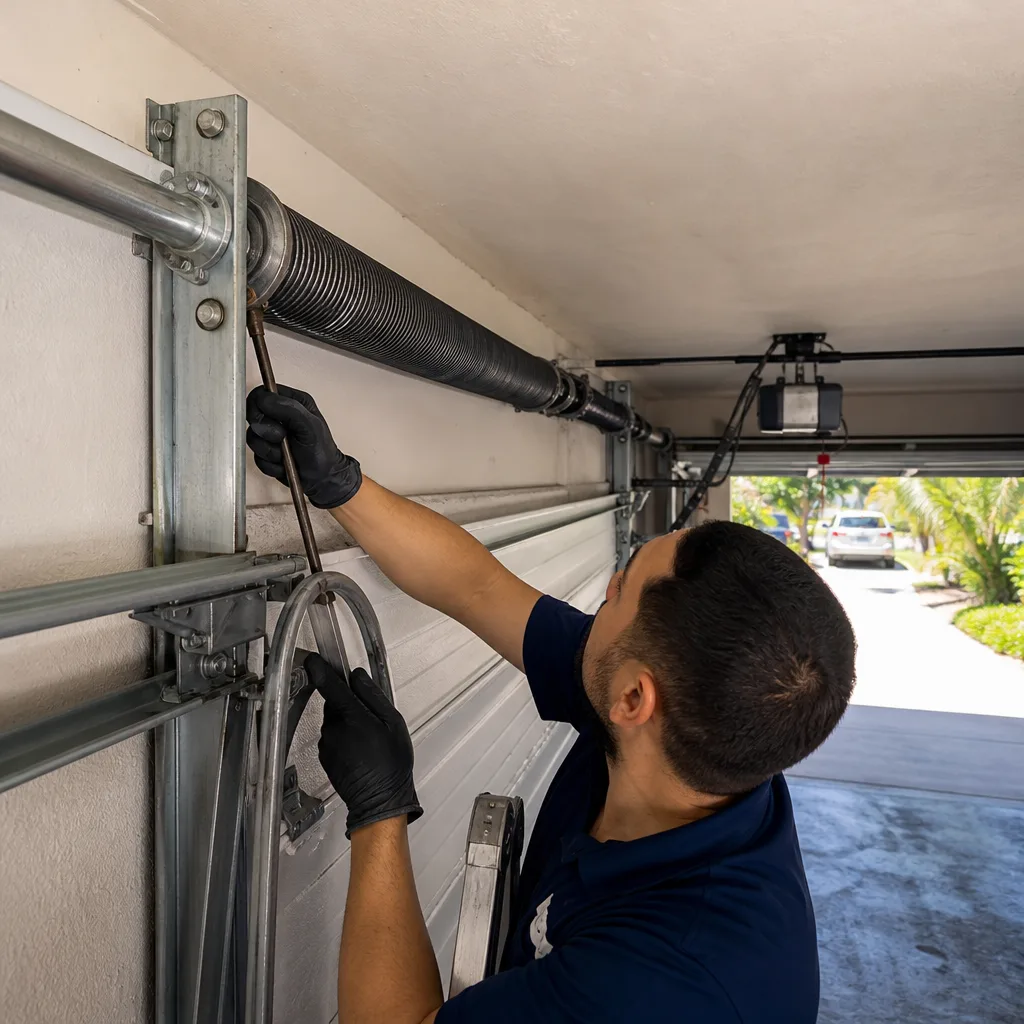
A note on torsion springs: they are under extreme tension and can cause serious injury or death if they snap or if someone without proper training tries to adjust them. If your spring is broken, leave the door closed, don’t try to open it manually, and call a professional. That’s not a sales pitch. That’s a safety instruction.
Common Mistakes to Avoid
- Buying a door without checking HOA rules first. Hollywood has dozens of communities with architectural review boards, and we’ve seen homeowners forced to repaint or replace a brand-new door because they skipped this step.
- Choosing a door solely by price. A cheap 26-gauge steel door from a national retailer will almost certainly fail Broward County wind-load requirements without significant reinforcement, which erases the savings.
- Thinking a wind-rated door is hurricane-proof. Wind-load ratings and Miami-Dade NOA approval are different things. Ask for the NOA number and documentation.
- Ignoring salt-air corrosion until the door fails. By the time a spring snaps or a cable frays, the corrosion problem has been building for months. Maintenance is cheaper than emergency repair.
- Using the wrong lubricant. WD-40 and penetrating oils strip the protective coating off springs and cables. Use a silicone-based garage door lubricant instead.
- Replacing the opener when the door is the problem. A door that’s out of balance, has a broken spring, or is binding in corroded tracks will destroy a new opener within months. Diagnose the whole system before replacing any one component.
- Skipping the permit. Garage door replacement in Hollywood requires a permit, and unpermitted work creates problems when you sell the home or file an insurance claim.
When to Call a Professional
Some garage door issues are genuinely DIY-friendly: lubricating rollers, tightening visible bolts, cleaning photo-eye lenses. Others are not. Call a professional when a torsion spring breaks, when a cable frays or snaps, when the door comes off its tracks, or when the opener’s force settings need adjustment. These situations involve stored mechanical energy or electrical systems that can cause serious injury when handled by someone without training.
Call a professional when you’re considering a door replacement in Hollywood. The permit process, the HOA approval, the wind-load requirements, and the product documentation are layered and local. Getting any one piece wrong means delays, fines, or an unsafe door. Benchmark Garage Door Repair offers free estimates in Hollywood – call (833) 589-8332 to schedule one, and we’ll tell you exactly what your door needs without pushing a replacement you don’t need.
Frequently Asked Questions
A new garage door in Hollywood typically costs between $1,200 and $4,500 installed, depending on size, material, wind-load rating, and insulation. For a detailed breakdown of where that money goes, see our Garage Door Cost Breakdown: The Hollywood Homeowner’s Reference for 2026. Entry-level 26-gauge steel doors start around $1,200 with installation, while hurricane-rated 24-gauge doors from manufacturers like Clopay or Amarr run $2,000 to $3,500. Full-view aluminum doors in coastal neighborhoods like Hollywood Lakes can reach $4,500 or more. These ranges reflect Hollywood’s specific code requirements, which eliminate the cheapest doors sold in other states. Call (833) 589-8332 for an exact quote on your specific door size and style – estimates are free.
Yes, every new garage door in Hollywood must meet Florida Building Code wind-load requirements for Broward County, which means a minimum design wind speed of 150 mph or higher in most zones. A door that’s tested to a wind-load standard without Miami-Dade NOA approval may not pass inspection. Work with an installer who provides NOA documentation as part of the permit package.
Technically you can, but it’s rarely a good idea. The permit requires a wind-load analysis, the HOA requires prior approval, and most HOAs and insurers ask for proof of a licensed installer. We regularly see DIY installations fail inspection over anchoring, reinforcement struts, or missing documentation, which means the door comes out and the whole project restarts. The savings rarely survive first contact with Broward County permitting.
In Hollywood’s salt air and heat, a garage door opener lasts 7 to 10 years on average, compared to 10 to 15 years in drier climates. Units within two miles of the coast tend to fail on the earlier end of that range due to corrosion on circuit boards and connectors. Adding surge protection and keeping the opener covered from direct salt spray extends its life meaningfully.
For broken springs, snapped cables, and doors that won’t open, we prioritize same-day service in Hollywood whenever scheduling allows. We also recommend reviewing our Garage Door Emergency Preparedness Guide for Hollywood Homes before problems strike. For replacement doors and new installations, the process includes measurement, product ordering, permitting, and HOA approval, which typically takes one to three weeks. Call (833) 589-8332 and tell us what’s happening with your door, and we’ll give you an honest timeline before you commit to anything.
No. We quote the price before any work begins and we don’t add charges after the fact. If the diagnosis reveals a different problem than the phone call suggested, we stop and explain what changed before doing any work. The price you agree to is the price you pay, every time.
The Bottom Line
A garage door in Hollywood, FL is a structural component in a hurricane zone, a corrosion battleground in a salt-air environment, and an architectural element governed by some of the strictest HOAs in the country. The doors and openers that work elsewhere don’t automatically work here. Buy wind-rated, NOA-approved equipment. Get HOA approval before you order. Maintain the hardware on a schedule that accounts for salt and humidity. And when something breaks or it’s time to replace, Benchmark Garage Door Repair home is your starting point for a straight answer about what’s wrong and what it costs. From a broken spring to a brand-new door, we diagnose to a measurable standard before we recommend anything. Call (833) 589-8332 for a free estimate.
Written by the team at Benchmark Garage Door Repair, serving Hollywood since 2011.
See the difference
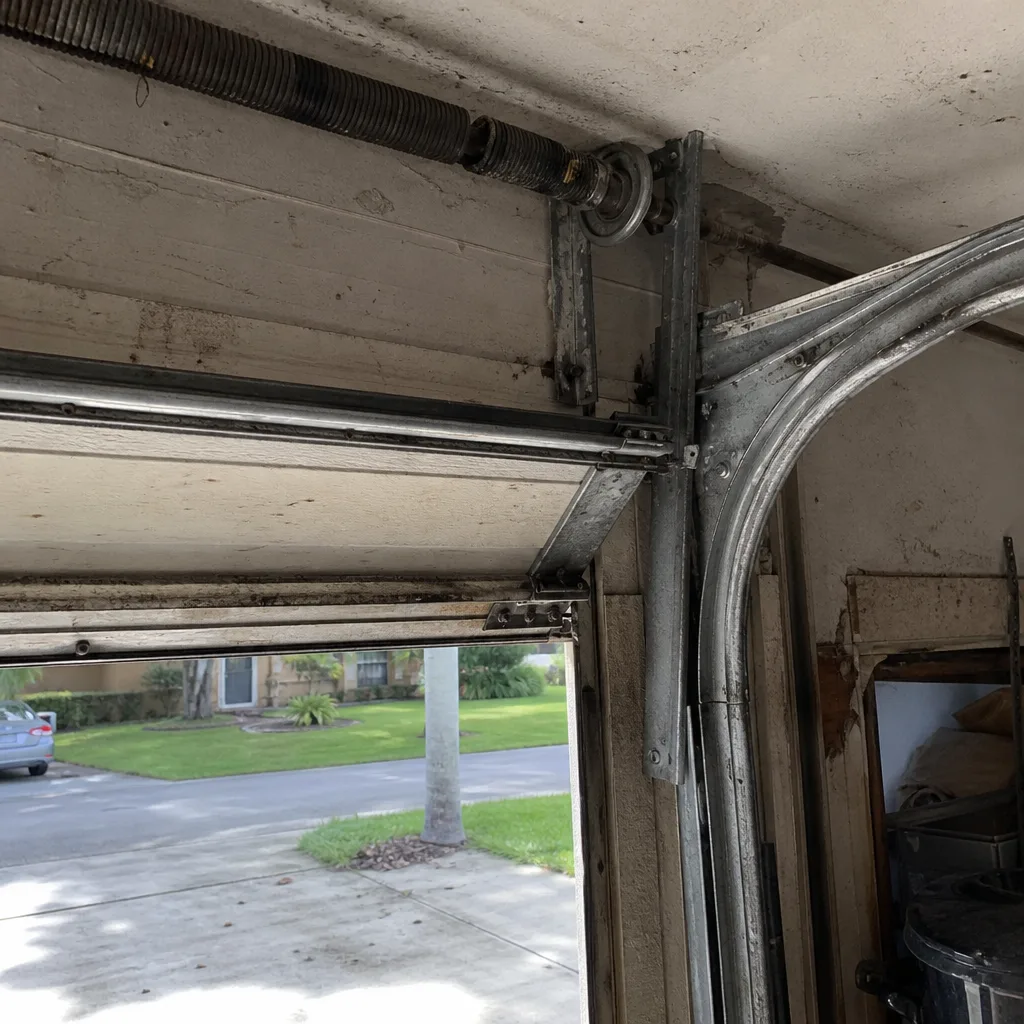 Before
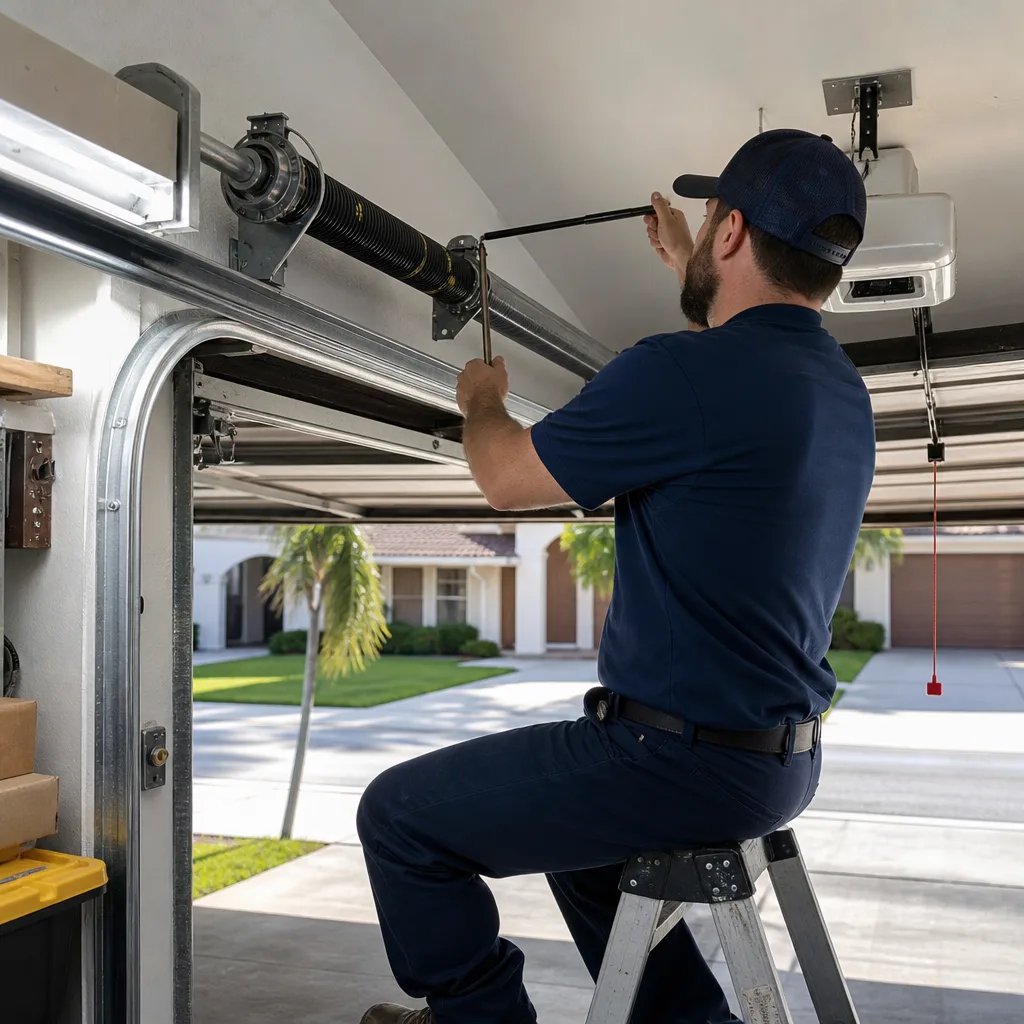 After
 Before
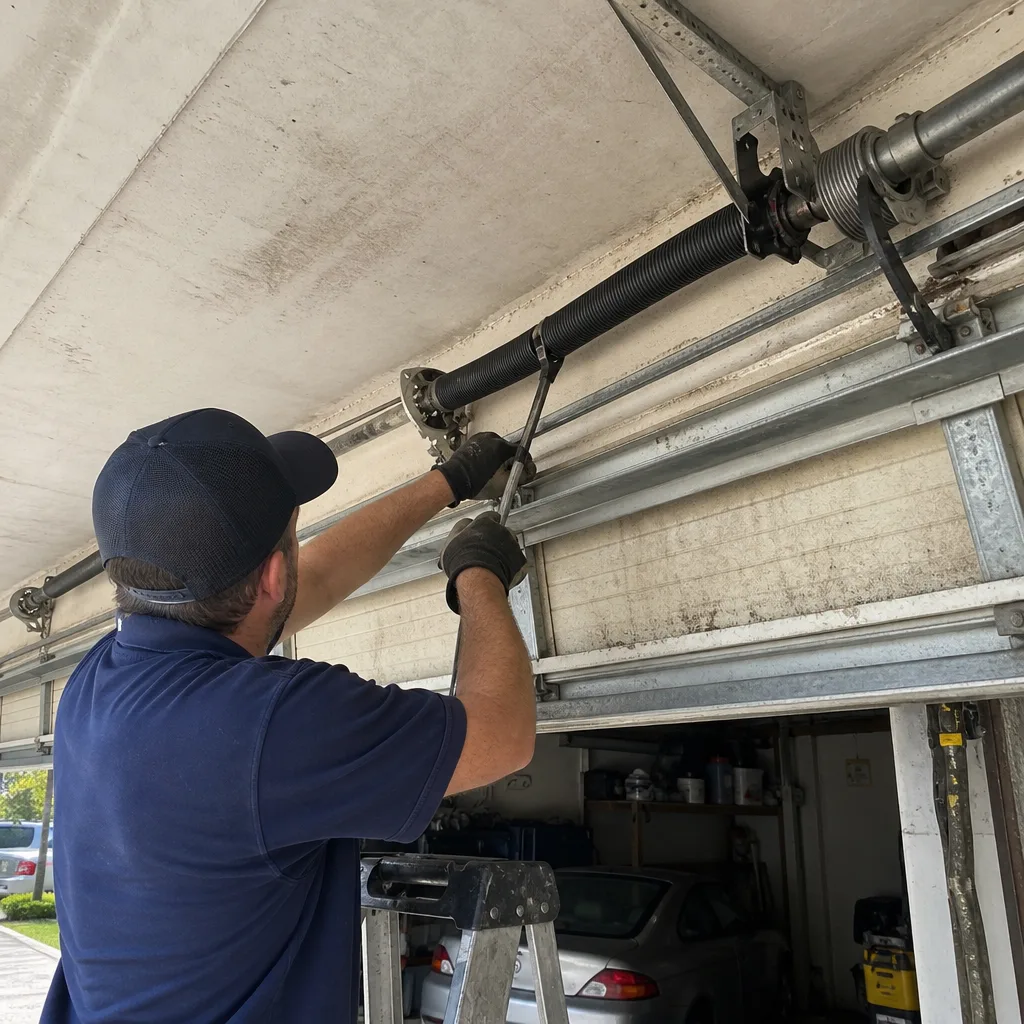
 After
 Before
 After