Last updated October 30, 2026
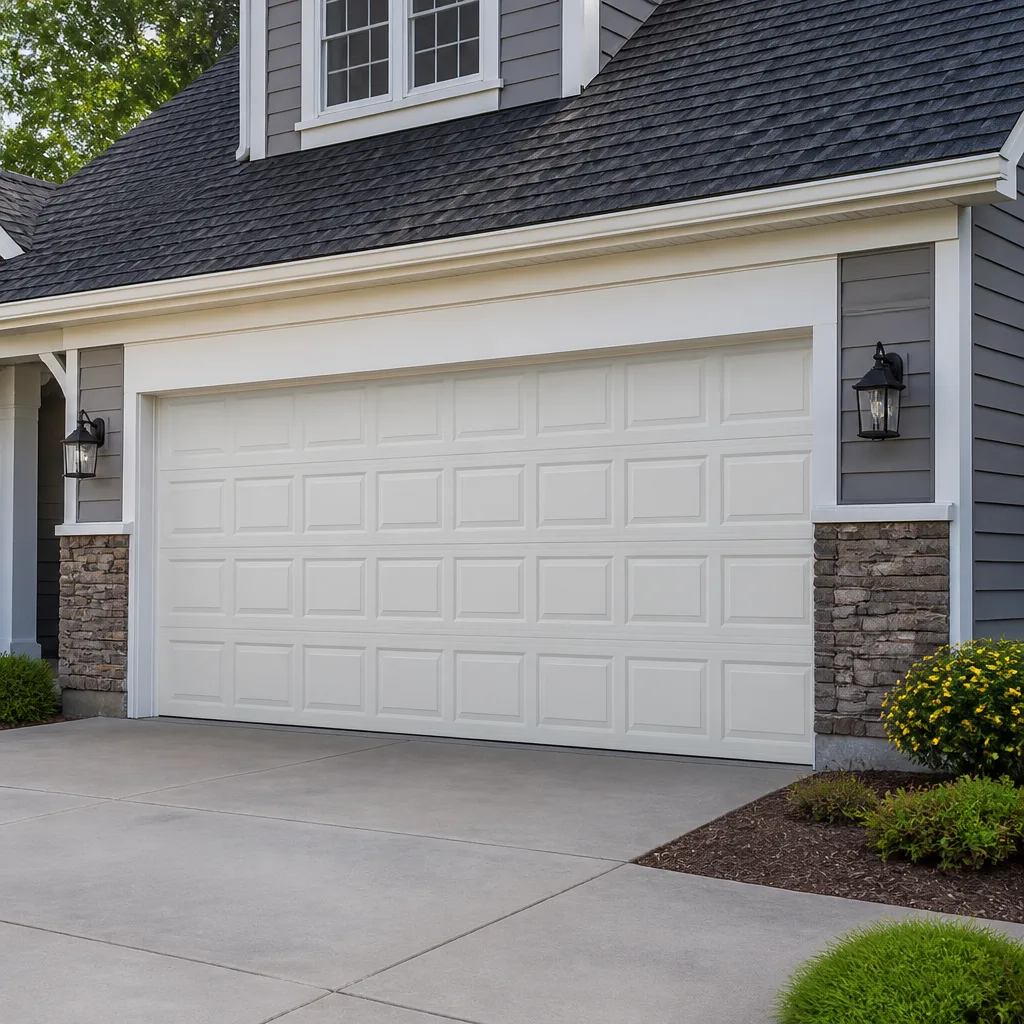 Raised-panel steel
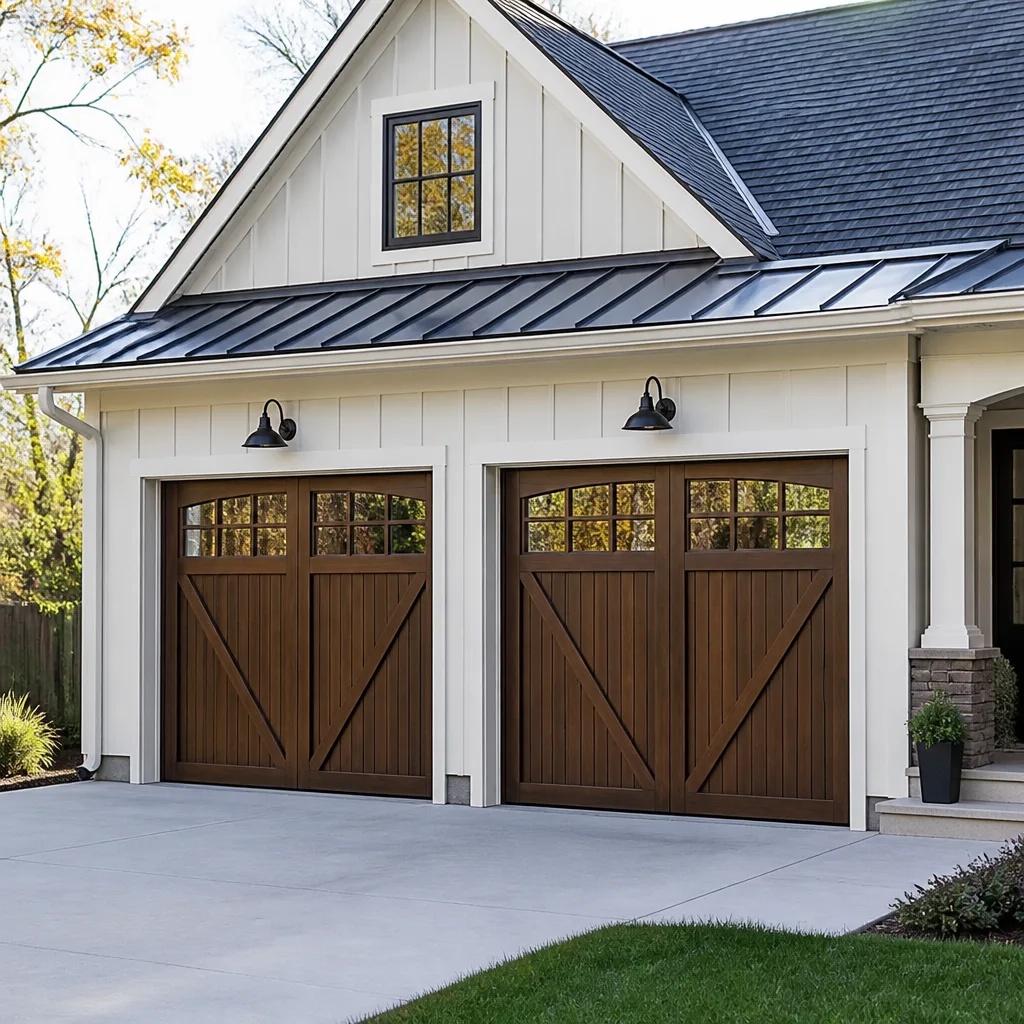 Carriage house
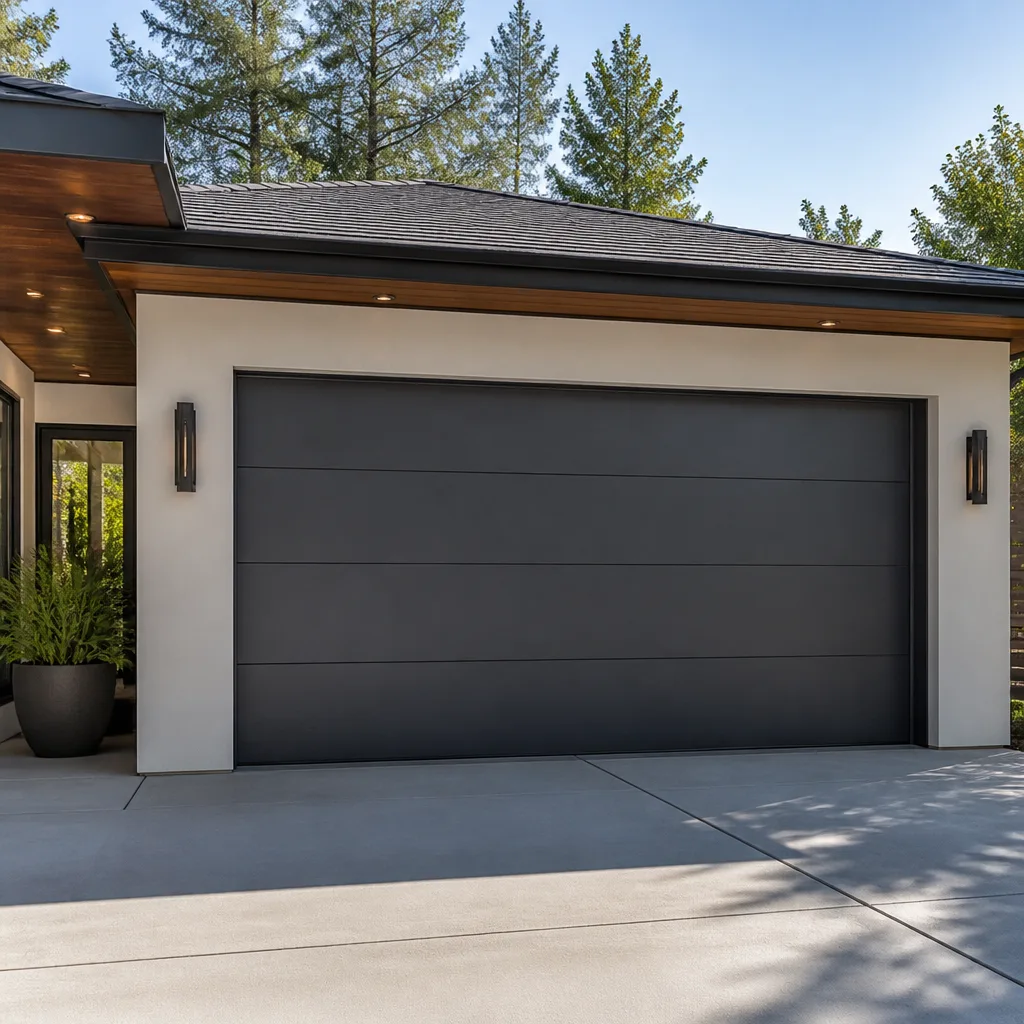 Modern flush
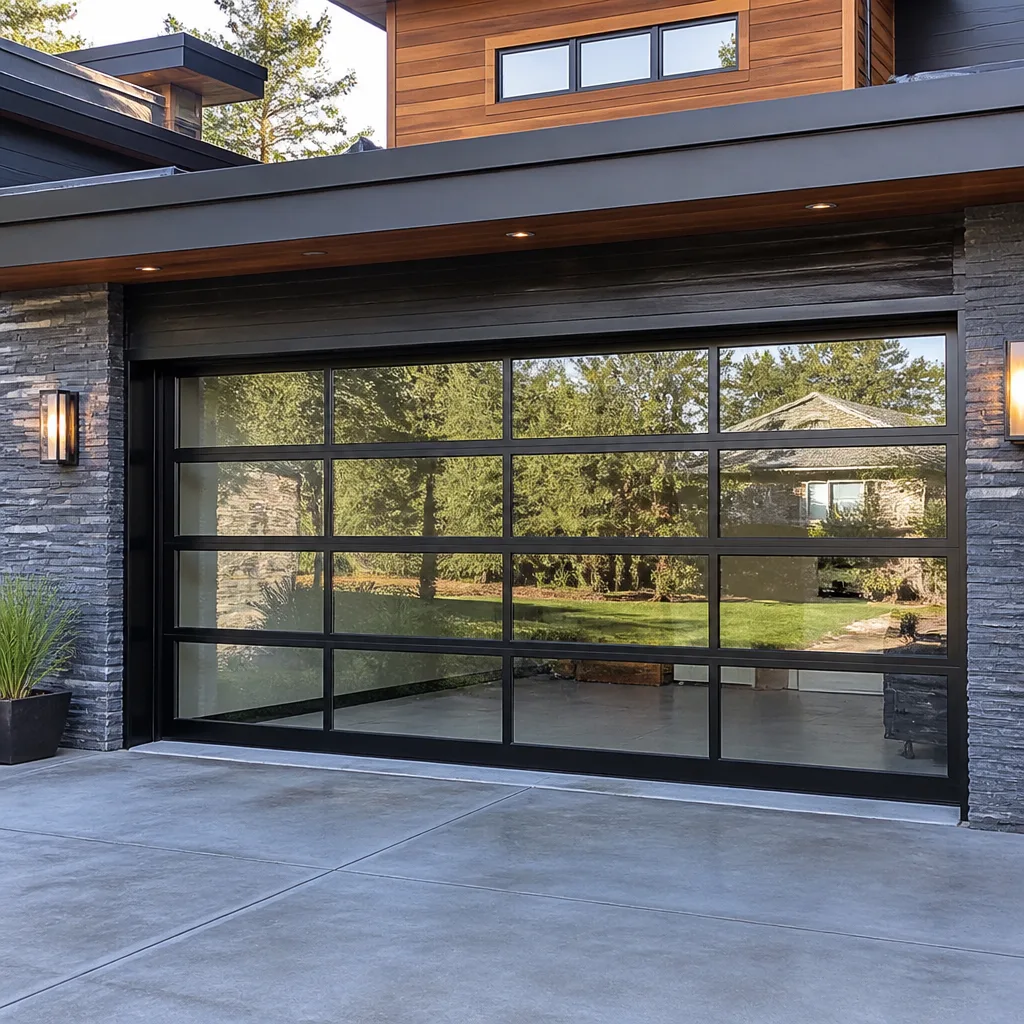 Full-view glass
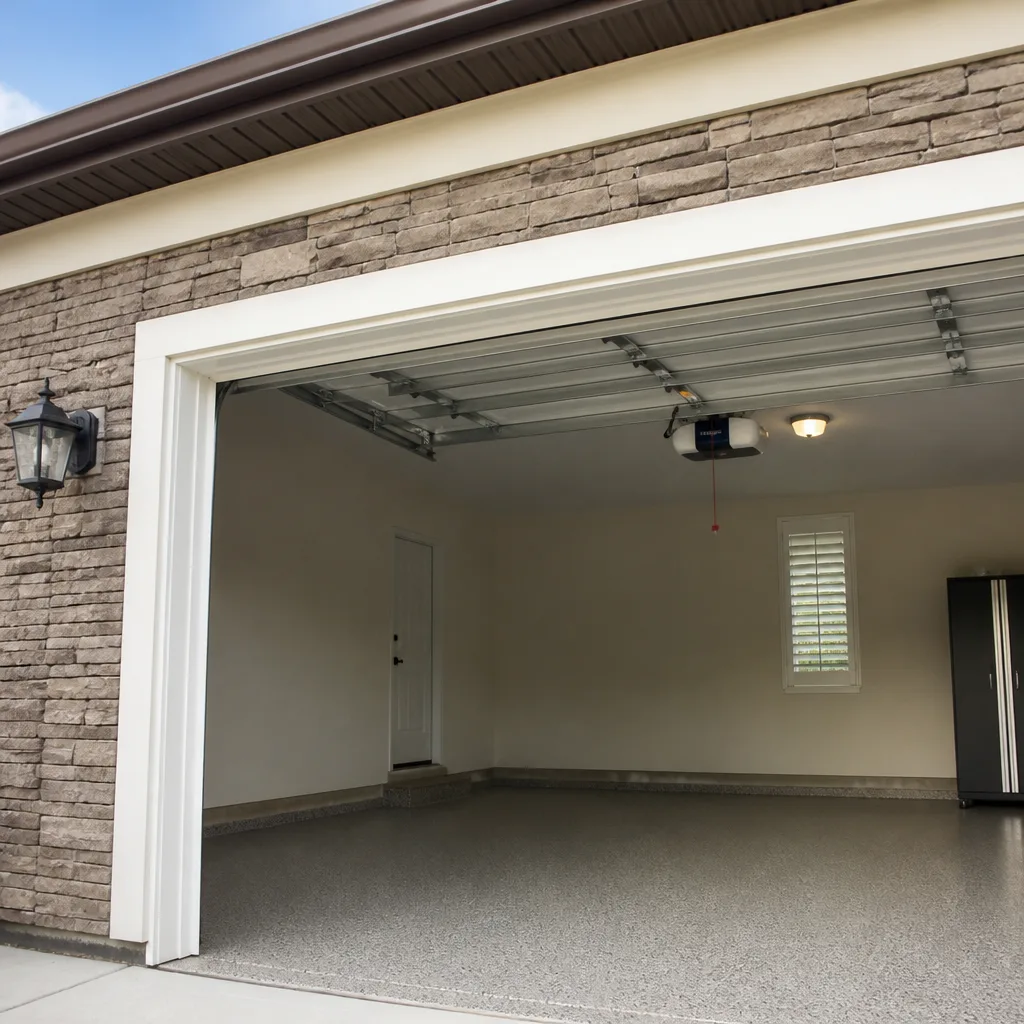 LiftMaster openers
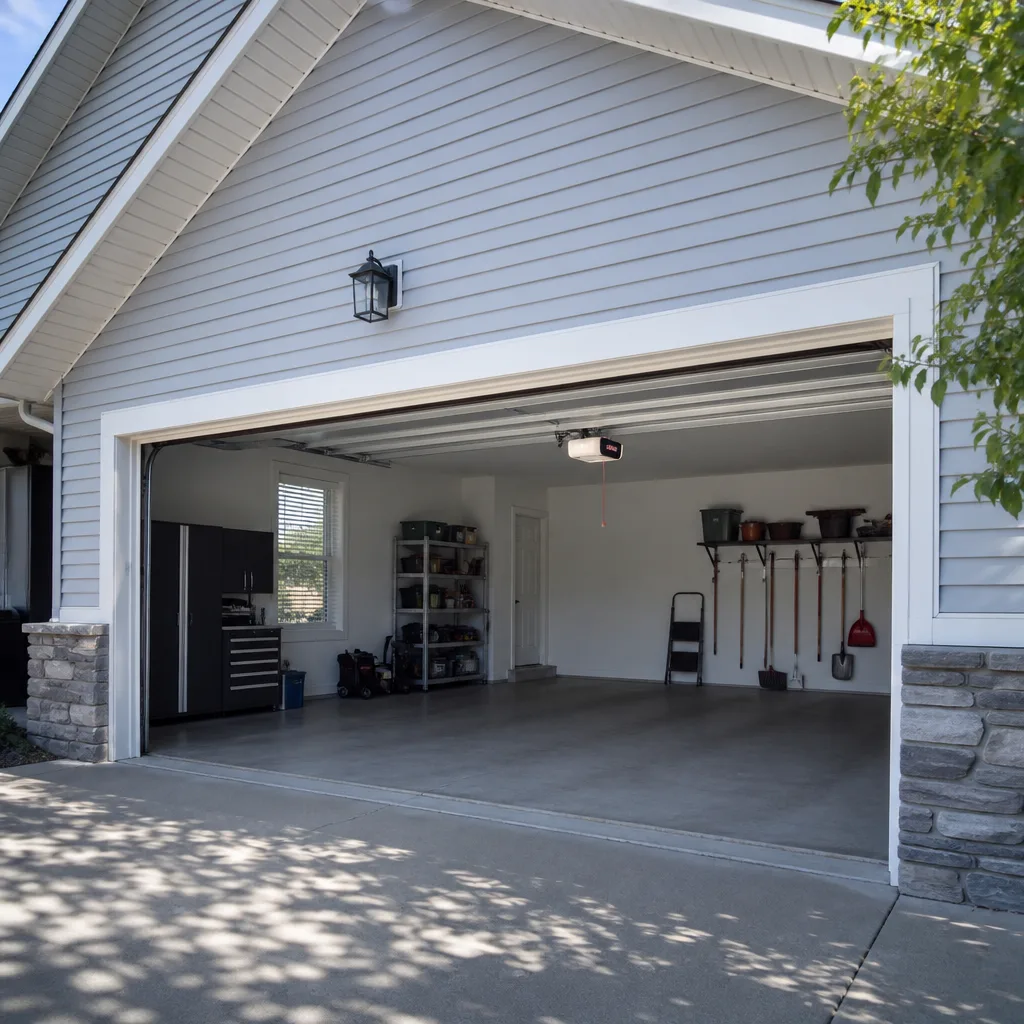 Chamberlain openers
Full 25-point door and opener safety check with every visit - springs, cables, rollers, tracks, and your LiftMaster or Chamberlain opener included
You get a price before we start. It does not change when the truck arrives.
Get your free estimateGarage Door Emergency Preparedness Guide for Hollywood Homes
The average Hollywood homeowner thinks about their garage door twice a year: when it breaks and when a hurricane is 72 hours out. By the time the second moment arrives, it’s often too late to fix what’s wrong. If you lose power the night before a hurricane makes landfall and your garage door won’t release from the opener, the manual release cord is the only thing standing between you and a failed evacuation timeline. This guide walks through the emergencies that actually happen in Hollywood, Florida, from pre-storm lockdowns to post-flood track failures, and gives you a plan for each one. For more guides & resources, see our blog. We’ve seen what works, what fails, and what homeowners regret not doing sooner.
Styles & brands we work with
Quick Answer
Garage door emergency preparedness in Hollywood, FL means three things: knowing how to operate your manual release cord before the power goes out, verifying your door can lock down independently of the opener before a storm, and knowing who to call when storm damage shifts a track or bends a panel. See Garage Door Permits, Codes & Inspections in FL: What You Need to Know for regulatory context. A prepared homeowner can secure their garage in under ten minutes without power. A prepared homeowner also knows that a bent door after a hurricane is a structural problem first and a mechanical problem second.
Table of Contents
- How to Use the Manual Release Cord the Right Way
- Pre-Storm Lockdown Checklist for Hollywood Homes
- What to Do Immediately After a Storm Passes
- How to Secure a Door That Failed During the Storm
- When Storm Damage Becomes a Structural Risk
- Re-Engaging Your Opener After Power Returns
- Common Mistakes to Avoid
- When to Call a Professional
- Frequently Asked Questions
- The Bottom Line
How to Use the Manual Release Cord the Right Way
The manual release cord on your garage door opener is a red rope with a plastic handle hanging from the trolley rail above your car. Pulling it disconnects the door from the opener carriage, converting your automatic door into a manual one. In Hollywood, where hurricane power outages can last days, this cord is the difference between getting your car out before a storm and leaving it trapped in the garage. Every homeowner should practice using it once before hurricane season starts in June.
- Confirm the door is closed first. Never pull the release cord while the door is open unless someone is holding the door or the springs are known to be in good condition. A disconnected door with weak springs will slam down with enough force to injure anyone underneath.
- Pull the cord straight down and toward the garage interior. You’ll hear a click as the trolley disengages from the carriage. The door is now free of the opener.
- Test the door by hand. Lift it from the handle. A properly balanced door opens smoothly with one hand and stays in place at the halfway point. If it’s heavy, the springs are failing. That’s a repair you want handled before a storm, not during one. We service doors across all major brands in Hollywood, including Wayne Dalton and LiftMaster, and spring replacements are routine for our technicians.
- Keep the door in manual mode during the outage. Operating it by hand is slower but dependable. If you’re evacuating, leave it disconnected after you’ve moved the car out.
One point worth stressing: the release cord should never hang low enough for a child to reach, and no one should stand under the door when pulling it. When the trolley disengages, the door can move suddenly if the springs are out of balance. For a fuller picture of how the mechanical systems on your door work together, our Garage Door Repair in Hollywood page explains the common failure points in the Florida heat and humidity.
Pre-Storm Lockdown Checklist for Hollywood Homes
Most Hollywood garage doors rely on the automatic opener to hold them shut. That’s fine on a Tuesday. It’s a liability during a hurricane. When winds exceed 70 mph, the pressure differential between the inside and outside of your garage can push the door inward off its tracks. The door needs to be mechanically locked, not just electronically held. Here’s the Garage Door Repair Maintenance Checklist for Hollywood Homeowners we recommend running through about 48 hours before any named storm is projected to make landfall near Broward County.
- Pull the manual release and test the door’s weight. If it takes two hands to lift, call for a spring inspection before the storm. Springs under asymmetrical tension are why Hollywood doors come off their tracks in high wind.
- Check the bottom seal. Run your hand along the weatherstripping. Cracks and gaps let wind-driven rain into the garage. In flood-prone neighborhoods like Hollywood Lakes and Emerald Hills, even a quarter-inch gap at the seal means several inches of standing water inside after a heavy storm band.
- Verify the door locks. Most modern residential doors don’t have manual slide bolts. If your door has them, engage them. If it doesn’t, a storm brace or a pair of heavy-duty C-clamps on the vertical track just above a roller will stop the door from lifting in wind gusts. Clamps go on the track itself, not the door panel.
- Clear the area around the door. Anything that can become a projectile – lawn furniture, potted plants, bikes – moves inside or gets tied down. A palm frond at 90 mph goes through a vinyl garage door panel.
- Photograph the door. Two or three quick photos of the door, track, and opener from inside. If the storm damages the door, you’ll have a reference for insurance and for the repair technician.
We recommend running this checklist at the same time you’re putting up shutters. It takes fifteen minutes, and it catches problems like a broken spring or a sluggish opener while there’s still time to schedule a repair. During peak hurricane watch periods, most Hollywood garage door companies book out quickly. The time to find the problem is not the morning the evacuation order comes down.
What to Do Immediately After a Storm Passes
The hours after a hurricane are when we take most of our emergency calls in Hollywood. The storm has passed, power is still out, and a homeowner is standing in their driveway looking at a garage door that’s caved in, off its track, or wedged half open. What you do in the first hour matters. Here’s the sequence.
- Do not force the door. If the door won’t move when you pull the manual release and lift, something is structurally wrong. Forcing it further can snap a cable, which carries several hundred pounds of spring tension when it goes. A snapped cable will cut skin and bone. This is one of the genuinely dangerous moments in garage door ownership.
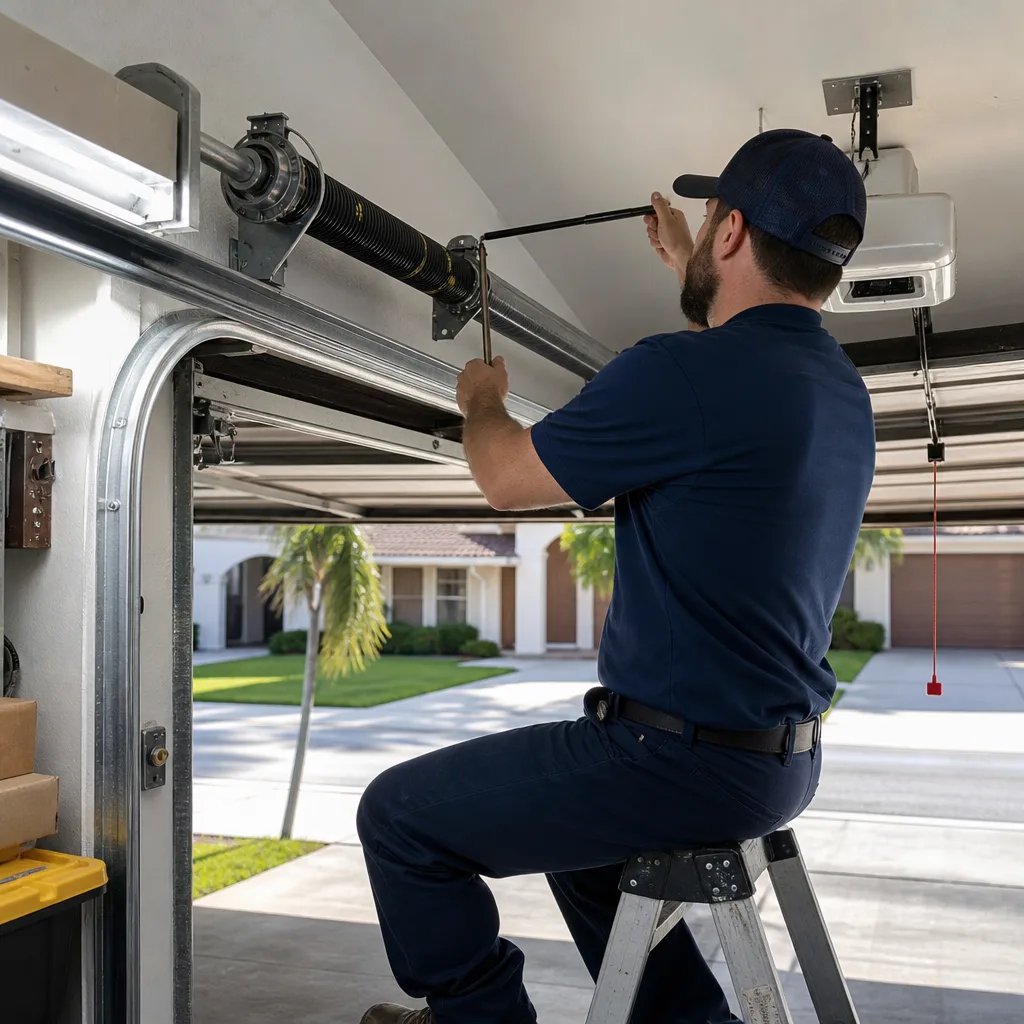
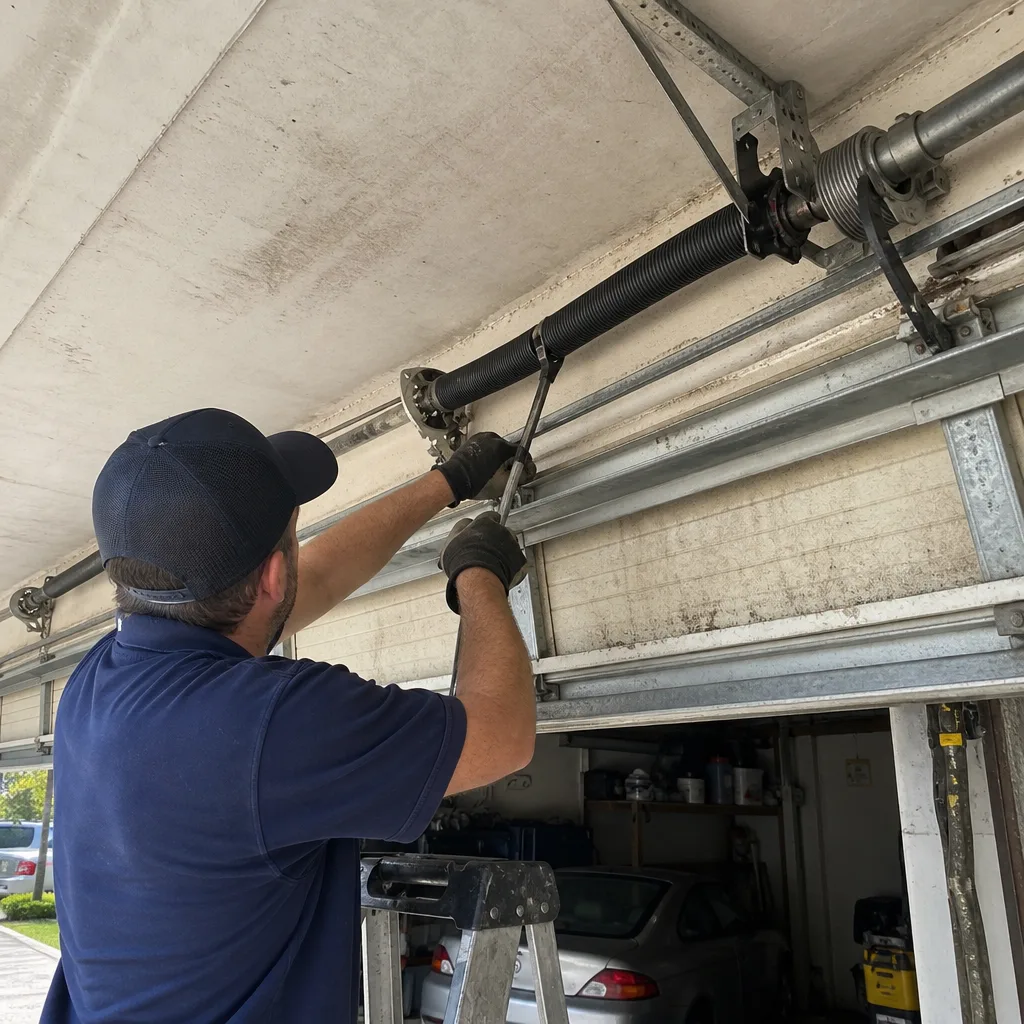
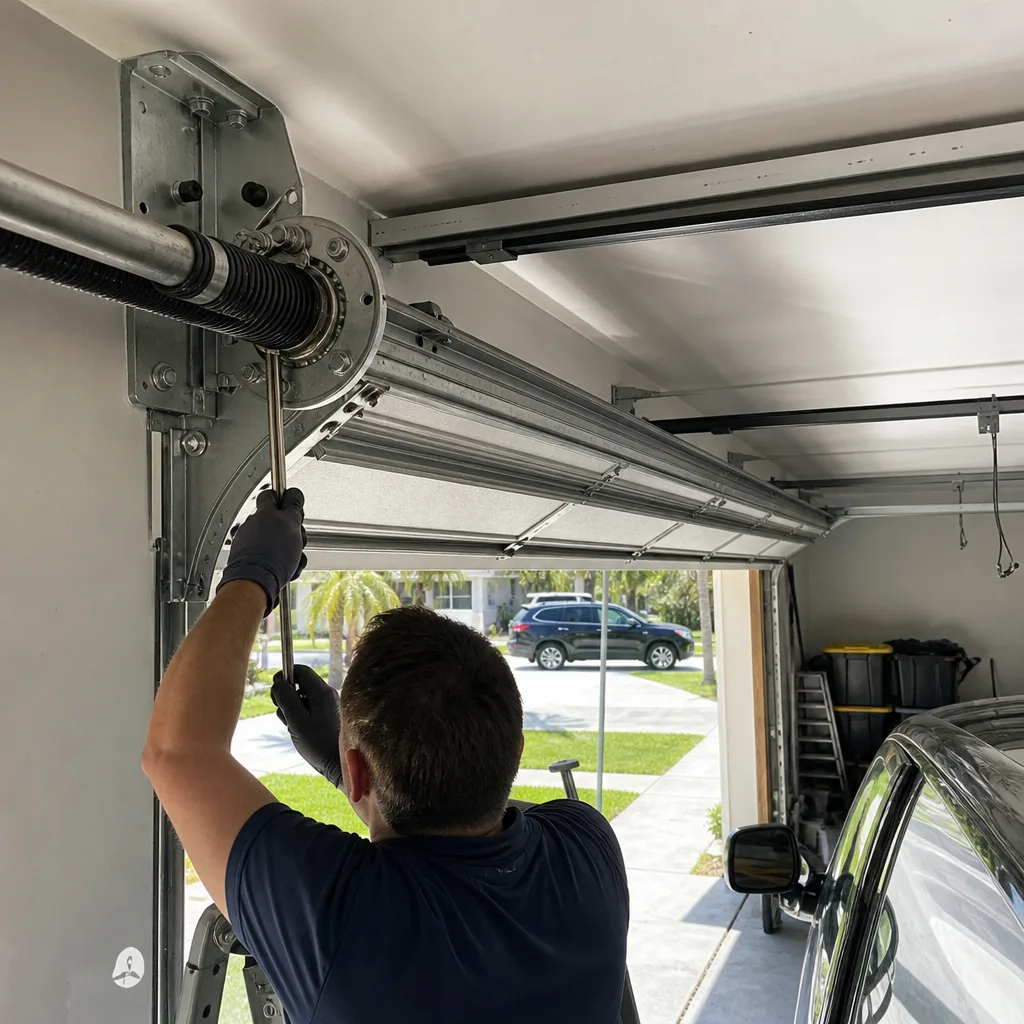
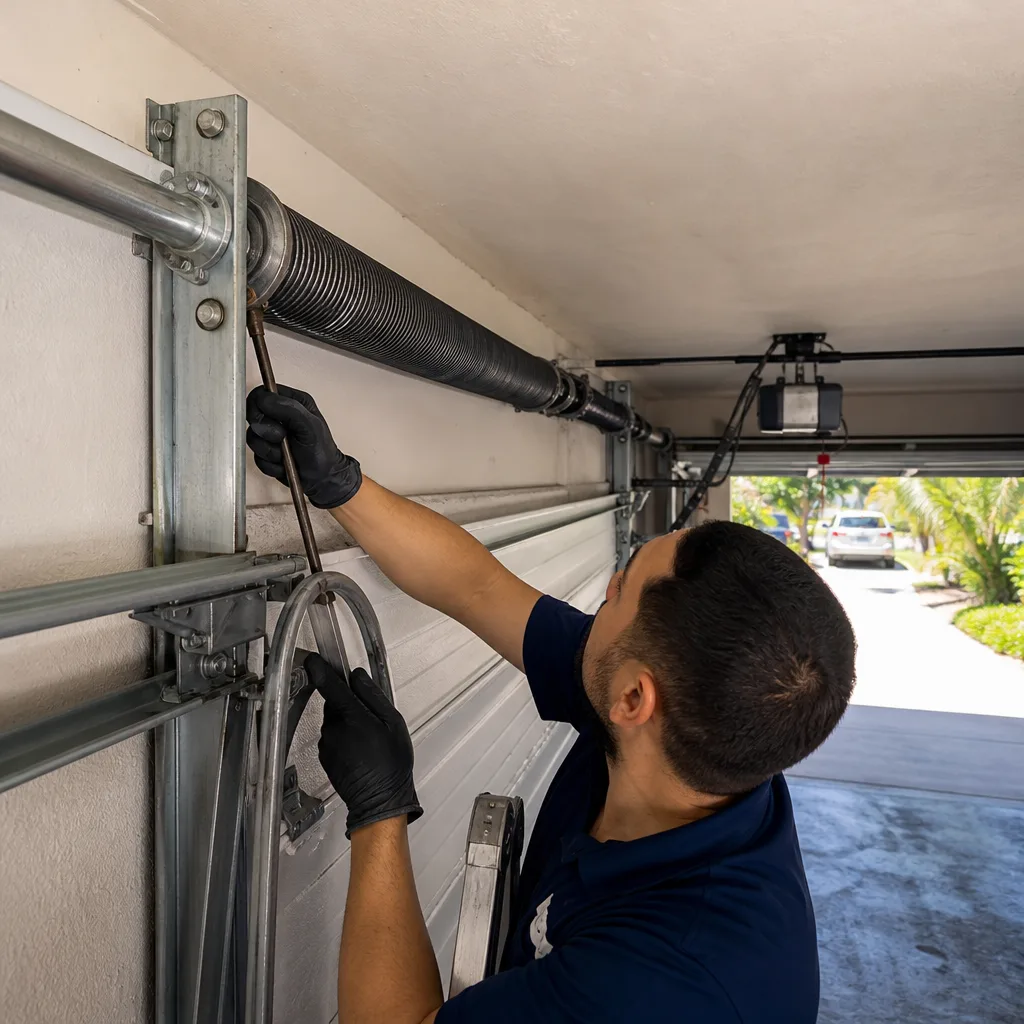
- Inspect from inside if it’s safe to enter. Look at the track brackets on the wall. If the brackets have pulled away from the studs, the track is compromised. Look at the spring assembly above the door. If a spring is broken or the center bearing bracket is bent, the door is not safe to operate.
- Check for water intrusion. In Hollywood’s low-lying areas, post-storm flooding pushes debris against the bottom panel and into the track. Sand and leaves jam the rollers. A door that opens partially and stops usually has debris in the vertical track or water damage to the bottom panel.
- Document everything. Photos of the door from all angles, photos of the track, photos of water lines if the garage flooded. Your insurance adjuster will want these, and the technician who comes out for the repair will use them to understand the failure.
- Call for a professional assessment. A storm-damaged door typically needs more than a spring swap. The track may need to be re-set, panels may be dented in ways that affect sealing, and the opener itself may have taken a power surge. Our team at Benchmark Garage Door Repair home has worked on storm-damaged doors across Hollywood from Craftsman and Raynor openers to custom wood doors in older Hollywood Hills homes.
How to Secure a Door That Failed During the Storm
After a storm hits Hollywood, you may be dealing with a garage door that won’t close at all, or that closes but won’t seal. Either way, the garage is now an open entry point into your home, and in the days after a hurricane, a dark garage with a broken door is an invitation. Here’s how to secure it until a technician can arrive.
- Close what will close. If the door is on its track but won’t seal at the bottom, use sandbags or heavy lumber against the bottom panel on the inside to block the gap. This also discourages anyone from prying up from outside.
- Lock the garage-to-house door. Most Hollywood garages have an interior door into the house. Make sure that door is closed, locked, and ideally has a deadbolt. People break into garages through the door; a locked interior door is the line they cannot cross.
- Disable the opener. Unplug the opener from the ceiling outlet. If power comes back on while the door is still jammed or off-track, an active opener trying to close a stuck door will burn out the motor or strip the travel gears. This is an easily avoidable repair cost.
- Do not leave the door hanging partially open. If the door is off-track and leaning, it can fall the rest of the way at any moment. Keep everyone, especially kids and pets, out of the garage until it’s been assessed. A leaning 16-foot door weighs between 150 and 350 pounds depending on the material.
For Hollywood homeowners who have evacuated and come back to find a failed door, this security step matters immediately. The repair can come next. But the gap in the wall of your house cannot wait for a technician’s schedule to clear.
When Storm Damage Becomes a Structural Risk
Here’s the thing most homeowners don’t realize: a garage door is both a machine and a structural wall. When a storm bends the door, it’s not just a mechanical problem. It’s a load-bearing integrity issue for the front of your garage. In Hollywood, where post-storm repair crews work through hundreds of homes, the order of operations matters. You get the structure assessed before you get the mechanical systems fixed.
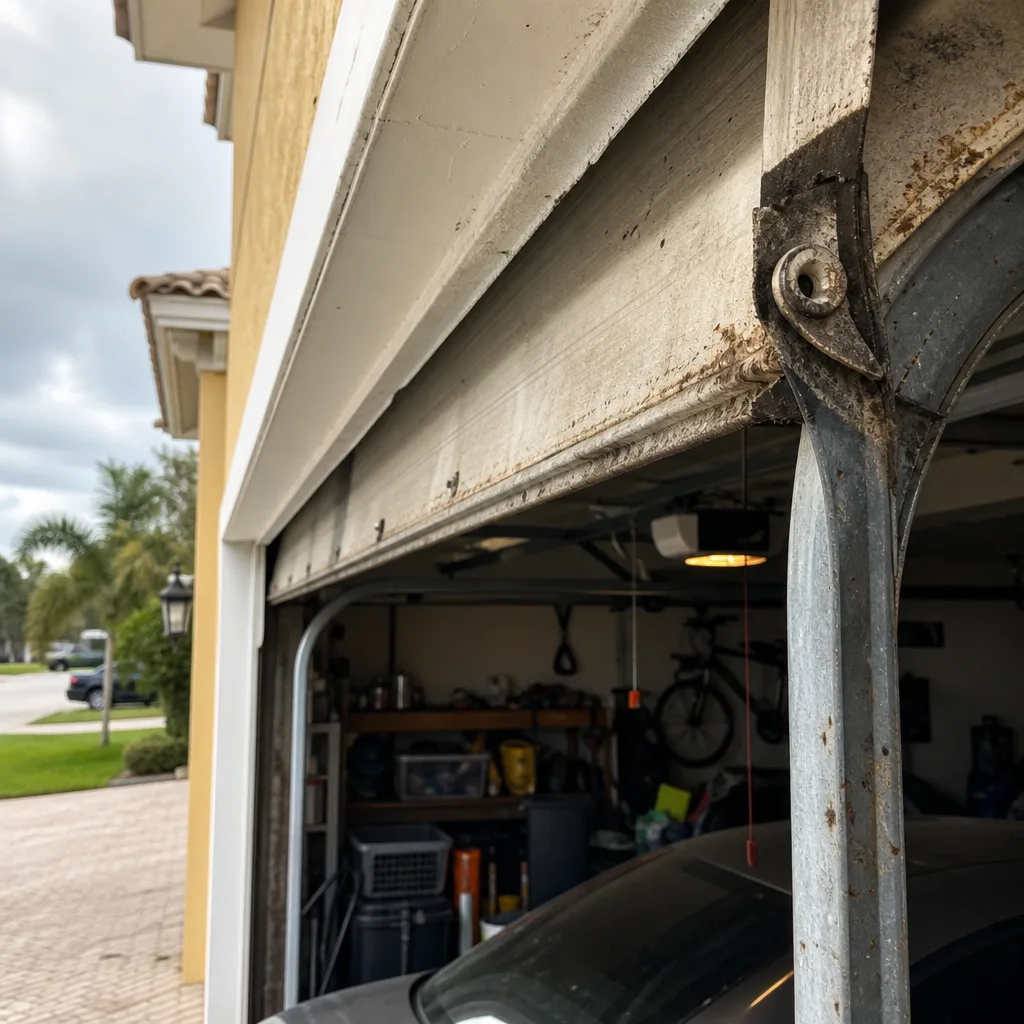
A visibly bowed door, a track that’s pulling away from the wall, or a header above the door that’s cracked: these are structural signs. The door panels may be repairable, but the wall framing around the opening may need attention first. If you call a garage door company and they go straight for the spring replacement without checking the track alignment and header integrity, you’re paying for a repair that won’t last. The new spring will be working against a door that still isn’t plumb, and it’ll wear out prematurely.
Our Garage Door Installation in Hollywood work begins with measuring the existing opening. If the opening itself has shifted, the new door will never sit right. That’s why we check the framing on every install and every major storm repair. The sequence for a storm-damaged Hollywood garage should be: structural assessment first, then mechanical repair, then opener re-calibration.
If you’re unsure whether the damage is structural, a licensed contractor can do the framing assessment, and a garage door specialist handles the door. Never let one trade work on what belongs to the other. There’s overlap, but a framer doesn’t know spring tension and most garage door technicians aren’t licensed to repair structural framing.
Re-Engaging Your Opener After Power Returns
Power comes back on in Hollywood after a hurricane, sometimes in a day, sometimes in a week. Your door is still in manual mode, and you need to reconnect it to the opener. This process is called re-engaging the trolley. It’s straightforward, but there’s a right and wrong way to do it.
- Plug the opener back into the outlet. Wait for the lights to stabilize. A power surge can reset the opener’s travel limits, so the door may open only partway or reverse at the wrong point. That’s a sign the limit settings need to be reprogrammed.
- Operate the opener with the door disconnected. Hit the wall button once. The trolley should move along the rail. Stop it in a position roughly above where the door’s carriage bracket sits when the door is closed.
- Pull the release cord toward the door. This maneuvers the trolley back into alignment with the carriage. You may need to lift the door slightly by hand to get the attachment points to meet.
- Release the cord and let the trolley latch. You’ll hear a definitive click. On LiftMaster and Chamberlain openers, the trolley locks onto the carriage with an audible snap. On older Craftsman units, you’ll see the carriage hook engage visibly.
- Test the door. Run a full cycle using the wall button, not the remote. The door should open and close smoothly, without jerking or reversing. If it reverses near the floor, the close force setting has been reset and needs adjustment. That’s a ten-minute fix for a technician.
This re-engagement sequence is one of the most common things we talk homeowners through after a storm. For opener-specific problems after a power outage, our Garage Door Opener Repair in Hollywood page covers the smart-home and mechanical side of getting your opener working again.
Common Mistakes to Avoid
- Lubricating the door before a hurricane. WD-40 on the tracks feels like preparation, but it’s not. Tracks should be clean and dry. Lubricant on the tracks collects sand and salt spray from Hollywood’s coastal air and turns into grinding paste. Grease the rollers and hinges once a year, not the day before a storm.
- Leaving a car parked against the door during a storm. In wind events, the door can flex inward enough to press against the bumper of your car. The door won’t open after the storm because it’s wedged against the vehicle. Park the car a few feet back from the door, even if it means the garage feels crowded.
- Forcing the door when the opener is running slow. Post-storm, a sluggish opener usually means the power draw isn’t stable or the door is binding in the track. Holding the wall button down to force the cycle overheats the motor and strips the gear. The door should move at a consistent speed or not move at all.
- Using the garage as the main entry during an outage. Every time you open the door manually during a power outage, you’re using the springs. In Hollywood’s humid summer air, that’s also every time you let in a wave of hot, salty moisture. Use the front door when possible and save the garage for the car.
- Attempting to straighten a bent track with a hammer. After a storm, we see this all the time: a homeowner takes a dead-blow mallet to a kinked vertical track. It never straightens. It damages the rollers walking through the kink, and then the section has to be replaced anyway.
- Re-engaging the opener before checking the door’s balance. If the door is heavy or the spring is compromised, reconnecting the opener means the motor is now working against the extra weight. That’s how opener gears strip in the first month after a storm.
- Ignoring the interior garage-to-house door. A garage door that’s locked but the interior door is propped open with a brick is not secure. In post-hurricane Hollywood neighborhoods, the interior door is the real security boundary.
When to Call a Professional
Some garage door problems are DIY-appropriate: clearing a blocked sensor, lubing a hinge, sweeping sand out of the track. For help identifying issues, see our Garage Door Repair Troubleshooting: Common Problems and How to Fix Them. Others are not. Call a professional when you see a broken spring, a snapped cable, a door off its track, a bent panel, or an opener that runs but won’t move the door. These are tension-and-weight systems. The average residential garage door spring holds enough stored energy to break an arm if it lets go while your hand is on the cable drum. If the door has sustained storm damage, or if you’ve had to force it at any point, stop using it and have it assessed. Benchmark Garage Door Repair offers free estimates in Hollywood – call (833) 589-8332 and we’ll tell you what’s wrong and what it takes to fix it, in plain language, before any work starts.
Frequently Asked Questions
Pull the red manual release cord hanging from the opener rail, which disconnects the door from the opener carriage. Then lift the door by hand from the handle. If the door is heavy, the springs are failing – stop and call us before the storm, not after. Call (833) 589-8332 and we’ll walk you through the release sequence if you’re unsure.
Yes, and you should. Manual mode means the door is mechanically free of the opener, so a power surge can’t damage the motor and the door won’t be held only by the opener’s grip. Lock it down with slide bolts or C-clamps on the track if high winds are forecast. Re-engage the opener when power returns and the storm has fully passed.
Don’t force it. Check for debris jammed in the vertical track, check whether the door is sitting square in the opening, and check for water damage to the bottom panel. If the track brackets have pulled away from the wall or the door is visibly bowed, it’s a structural issue and needs a professional assessment. Call (833) 589-8332 and we’ll come out to Hollywood and diagnose what the storm did to your door.
Storm repairs vary widely by what the storm actually did. A re-set track runs $150 to $300 in Hollywood depending on the track length and whether brackets need replacing. A broken spring post-storm is $180 to $340 installed. A full door replacement after a hurricane, including new tracks and opener re-calibration, typically runs $1,200 to $2,800 depending on the door material and brand. We quote every job before work starts, so the price you agree to is the price you pay. Call (833) 589-8332 for an exact quote – estimates are free.
We service whatever is already installed on your Hollywood home. Our technicians are trained on LiftMaster, Chamberlain, Genie, Clopay, Amarr, Wayne Dalton, Craftsman, and Raynor equipment. That brand-agnostic approach means we don’t push a replacement when the door you have can be repaired honestly.
During the 48 hours after a hurricane makes landfall, most Hollywood garage door companies are handling emergency calls, not routine repairs. Expect a wait. Schedule the repair as soon as you know the door is damaged, even if the power is still out and the rest of the house is being sorted out. The earlier you get on the schedule, the sooner a technician can assess the damage. Call (833) 589-8332 and we’ll get you into the queue.
The Bottom Line
A garage door emergency in Hollywood, FL is a storm with a deadline. The manual release cord is the one tool you need to master before the wind picks up. The lockdown checklist is the difference between a door that holds and a door that folds. And after the storm, the right sequence is structural assessment, then mechanical repair, then opener calibration. If you do nothing else before hurricane season, pull the release cord once, photograph your door, and write down the number for a garage door specialist who works on what you already have. That’s the whole job. Call Benchmark Garage Door Repair at (833) 589-8332 for a free estimate.
Written by the team at Benchmark Garage Door Repair, serving Hollywood since 2011.
See the difference
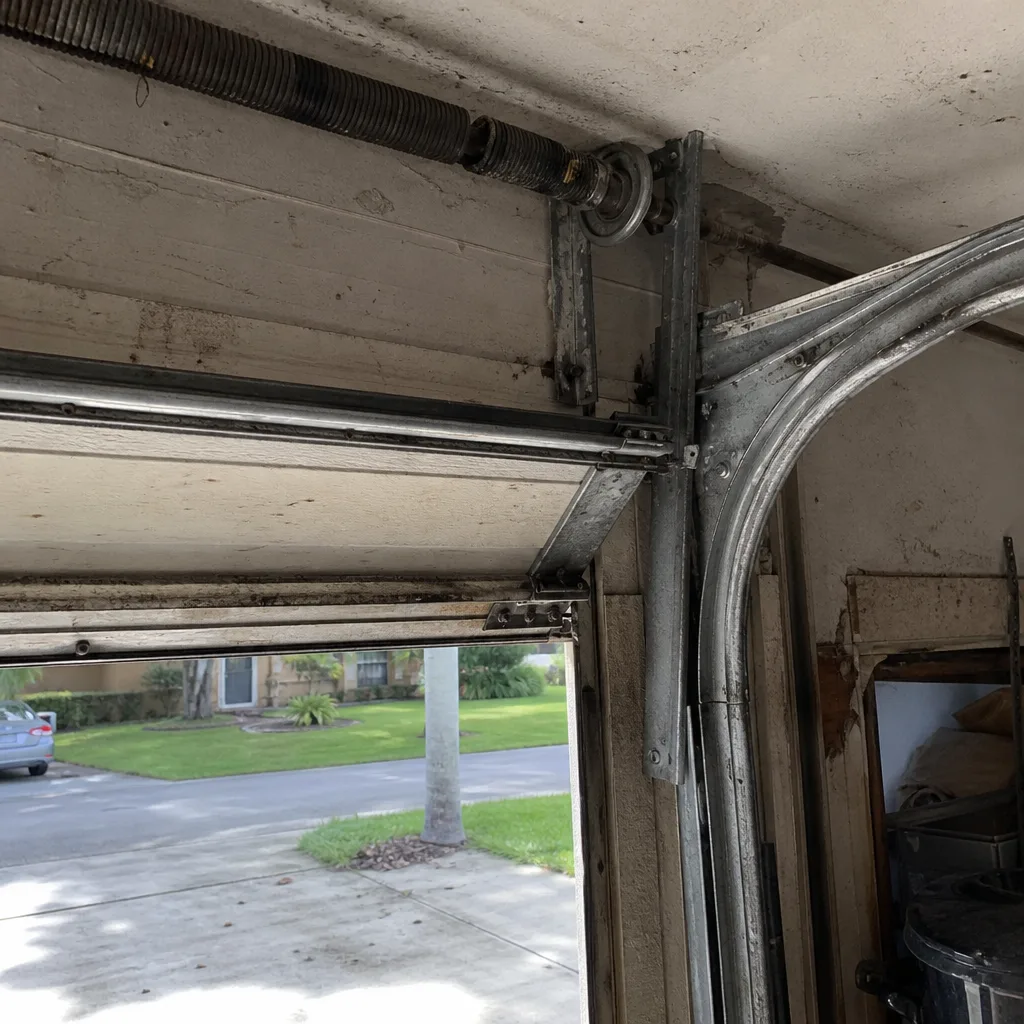 Before
 After
 Before
 After
 Before
 After